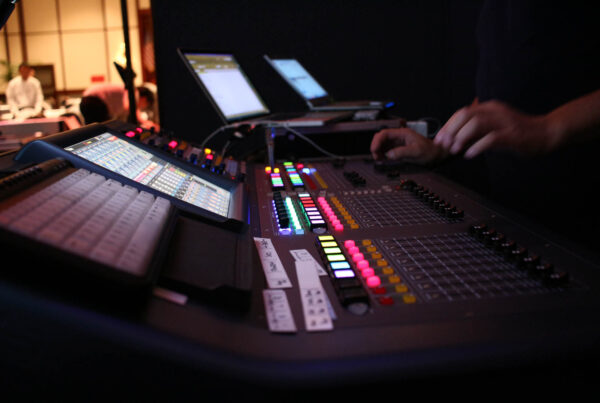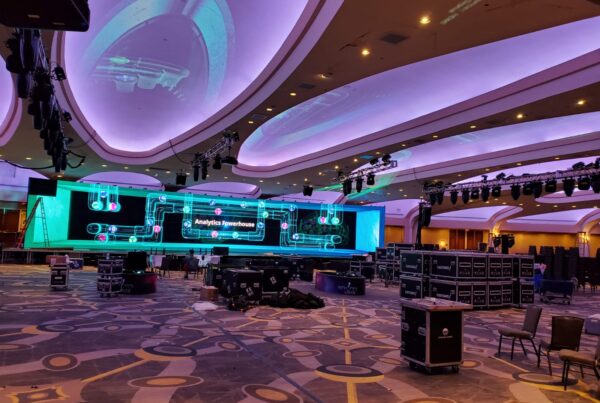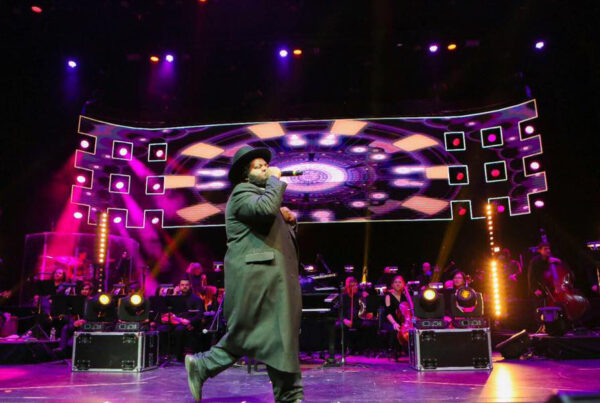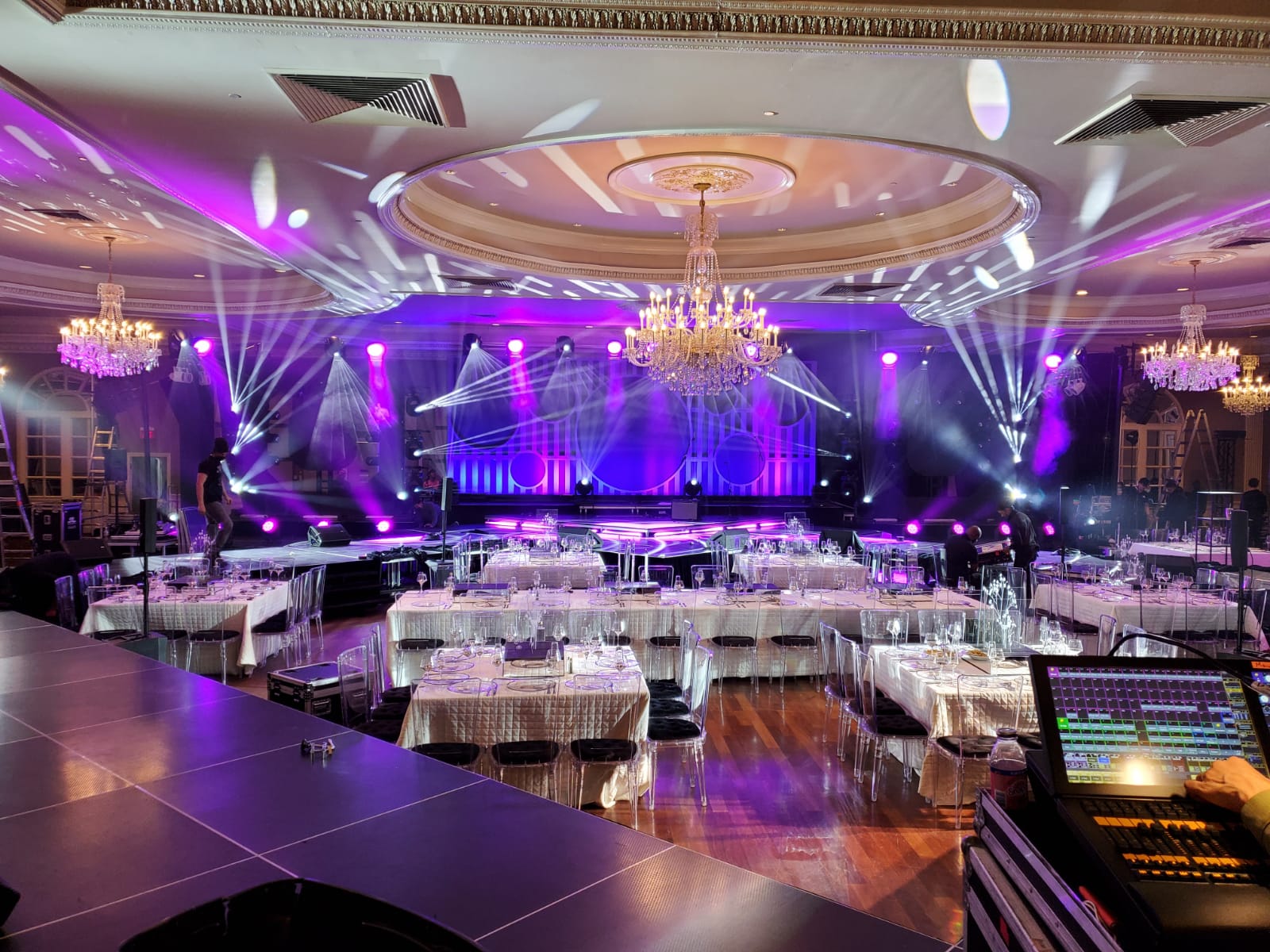
Professional content creation for concert LED displays requires specialized workflows accommodating unique technical requirements, real-time performance integration, and massive resolution demands. Understanding production pipelines, software ecosystems, and delivery specifications enables creation of compelling visual experiences that enhance musical performances without overwhelming them.
Pre-Production Planning and Design
Content development begins months before tours launch, with creative directors and visual designers collaborating to establish aesthetic frameworks aligning with artistic vision. Initial concept meetings involve artists, management, lighting designers, and video teams defining visual language, color palettes, and narrative themes. These sessions produce mood boards, style frames, and animatics guiding subsequent production phases.
Technical specifications drive creative decisions from earliest stages. A 180-square-meter LED wall at 3.9mm pixel pitch requires content at 7,680 x 2,160 pixels for native resolution. This exceeds standard 4K production requiring render farms capable of 6K or 8K output. Budget allocations typically reserve $2,000-5,000 per finished minute for custom content creation, with major tours investing $200,000-500,000 in visual assets.
Song structure analysis identifies cue points for visual transitions synchronized with musical arrangements. Modern tours average 80-120 video cues per show, each requiring precise timing aligned with lighting, pyrotechnics, and automation. Content creators receive detailed timing sheets showing intro, verse, chorus, bridge, and outro durations down to frame accuracy. SMPTE timecode synchronization ensures perfect alignment between audio and visual elements.
Asset management systems organize thousands of files across multiple creators, revisions, and delivery formats. Productions typically generate 500-1,000 gigabytes of content including renders, project files, and backup versions. Cloud-based platforms like Frame.io or Dropbox enable remote collaboration while maintaining version control. Naming conventions following strict protocols prevent confusion during high-pressure show situations.
3D Animation and Motion Graphics
Cinema 4D, Houdini, and Blender dominate 3D content creation for concert applications, offering specialized tools for large-format display optimization. Procedural generation techniques create complex animations reacting to musical input through MIDI or audio analysis. These systems produce unique variations for each performance while maintaining consistent aesthetic quality.
Particle systems and fluid simulations require substantial computational resources, with single frames taking 10-30 minutes rendering on high-end workstations. Render farms utilizing 50-100 nodes reduce production time from weeks to days. Cloud rendering services like AWS Thinkbox Deadline provide scalable resources during peak production periods, costing $0.50-2.00 per node-hour.
After Effects remains the standard for 2D motion graphics and compositing, with specialized plugins optimizing output for LED displays. The Trapcode Suite generates particle effects synchronized to audio amplitude and frequency. Video Copilot’s Element 3D enables real-time 3D integration without leaving After Effects. These tools produce broadcast-quality results while maintaining reasonable render times.
Color space management ensures accurate reproduction across different LED manufacturers and technologies. Content created in Rec. 709 broadcast standard requires conversion to wider gamuts like DCI-P3 or Rec. 2020 for modern LED panels. Improper color management results in washed-out or oversaturated imagery breaking creative intent. Calibration LUTs specific to LED models compensate for panel characteristics.
Real-Time Generation Systems
TouchDesigner, Notch, and Disguise enable real-time content generation responding to live performance variables. These node-based environments process video, 3D graphics, and generative algorithms simultaneously. Operators manipulate parameters during performances, creating unique visual experiences for each show while maintaining consistent quality.
MIDI triggers from playback systems or live instruments drive visual changes synchronized with musical performance. Kick drums trigger particle bursts, bass lines control color gradients, and vocal amplitude modulates geometric transformations. This tight integration creates synaesthetic experiences where sound and vision become inseparable. Programming these systems requires 40-80 hours per show, with operators refining parameters throughout tours.
Video input from stage cameras undergoes real-time processing adding effects, color correction, and compositing with pre-rendered elements. Delays, feedback loops, and kaleidoscope effects transform IMAG into artistic elements rather than simple magnification. Processing latency must remain below 3 frames (50 milliseconds) to maintain synchronization with live audio.
Generative algorithms produce infinite variations from base parameters, ensuring visual freshness across multiple performances. Fractals, cellular automata, and physics simulations create organic movements impossible to achieve through traditional animation. These systems require powerful GPUs like NVIDIA RTX 4090 or AMD Radeon Pro W7900, costing $2,000-5,000 per graphics card.
IMAG Production Workflows
Live camera coverage requires specialized equipment and techniques optimizing for LED display characteristics. Broadcast cameras equipped with large sensors and cinema lenses provide shallow depth-of-field separating performers from backgrounds. Camera specifications typically include 1080p60 or 2160p30 output maintaining temporal resolution for fast movements.
Shading and color correction happens in real-time through camera control units operated by video engineers. Matching color temperature, exposure, and contrast across 4-8 cameras requires constant adjustment as lighting changes throughout performances. Digital video effects switchers enable seamless transitions between cameras while adding effects like picture-in-picture or split-screens.
Lens selection impacts visual storytelling with wide angles capturing full stage energy while telephoto lenses create intimate close-ups. Zoom ranges of 20:1 or greater provide flexibility without repositioning cameras. Image stabilization becomes critical for handheld or Steadicam operation, preventing motion sickness on large displays. Professional lenses cost $15,000-75,000 each, representing significant production investments.
Signal processing maintains quality throughout distribution chains. 12G-SDI infrastructure supports 4K video at 60fps with 10-bit color depth. Fiber optic conversion enables cable runs exceeding 500 meters without degradation. Frame synchronizers ensure all sources align to common reference timing preventing glitches during switches.
Delivery Specifications and Formats
HAP codec dominates concert video delivery, offering reasonable compression with minimal CPU overhead during playback. HAP-Q provides higher quality at 50-60% file size reduction compared to uncompressed formats. A 5-minute 4K segment requires approximately 15-20 gigabytes storage in HAP-Q format. Media servers must sustain 500-800 megabytes per second read speeds for smooth playback.
DXV codec offers similar performance with additional alpha channel support enabling transparency effects. This proves essential for layering multiple video sources or integrating with lighting effects. File sizes increase 30% with alpha channels, requiring proportionally faster storage systems. NVMe SSDs in RAID configurations achieve necessary throughput with redundancy protection.
Pre-split content accommodates multi-processor configurations driving massive displays. A 300-square-meter wall might utilize four processors, each handling specific screen zones. Content must be rendered in sections matching processor mapping, requiring additional production time and storage. Overlap regions ensure seamless blending between processor boundaries.
Frame rate considerations balance temporal smoothness against processing capabilities. 30fps remains standard for most content, with 60fps reserved for fast motion or sports-style coverage. Higher frame rates require doubled rendering time, storage space, and playback bandwidth. Some productions employ mixed frame rates, using 60fps for IMAG while playing back content at 30fps.
Version Control and Backup Strategies
Touring productions require bulletproof backup systems preventing show cancellations due to media corruption or hardware failures. Primary media servers maintain identical content libraries synchronized before each show. Secondary servers provide immediate failover capability with automatic switching occurring within 100 milliseconds of failure detection.
Version control tracks content iterations throughout production and tour lifecycles. Git-based systems manage code for generative content while traditional DAM platforms handle rendered media. Each content piece maintains metadata documenting creation date, artist approval status, and technical specifications. This organization proves critical when managing libraries exceeding 10,000 files.
Incremental updates during tours require careful deployment preventing disruption. New content undergoes technical rehearsal integration before live implementation. Roll-back procedures enable rapid reversion if issues arise. Cloud synchronization ensures all tour locations receive updates simultaneously, preventing version mismatches.
Archive strategies preserve content for future tours, documentaries, or commercial releases. LTO tape provides cost-effective long-term storage at $50-100 per 12-terabyte cartridge. Cloud archives offer geographic redundancy at $0.004 per gigabyte monthly. Productions typically maintain three archive copies across different media types and locations.
Professional content creation for concert LED displays demands sophisticated workflows balancing creative ambition with technical requirements. Investment in proper tools, training, and infrastructure enables production of compelling visual experiences enhancing live performances. As display technology continues advancing toward higher resolutions and capabilities, content creation workflows must evolve correspondingly to fully utilize these powerful creative canvases.