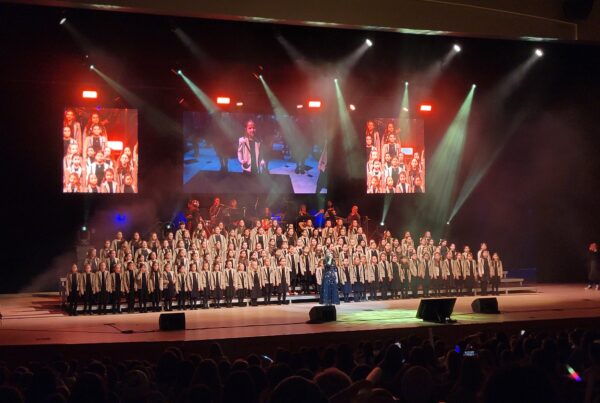
The convergence of live performance and digital broadcasting has created unprecedented opportunities for artists to reach global audiences. What began as necessity during challenging times has evolved into a permanent expansion of the concert experience, with hybrid events combining in-person attendance with worldwide streaming becoming standard practice for major productions.
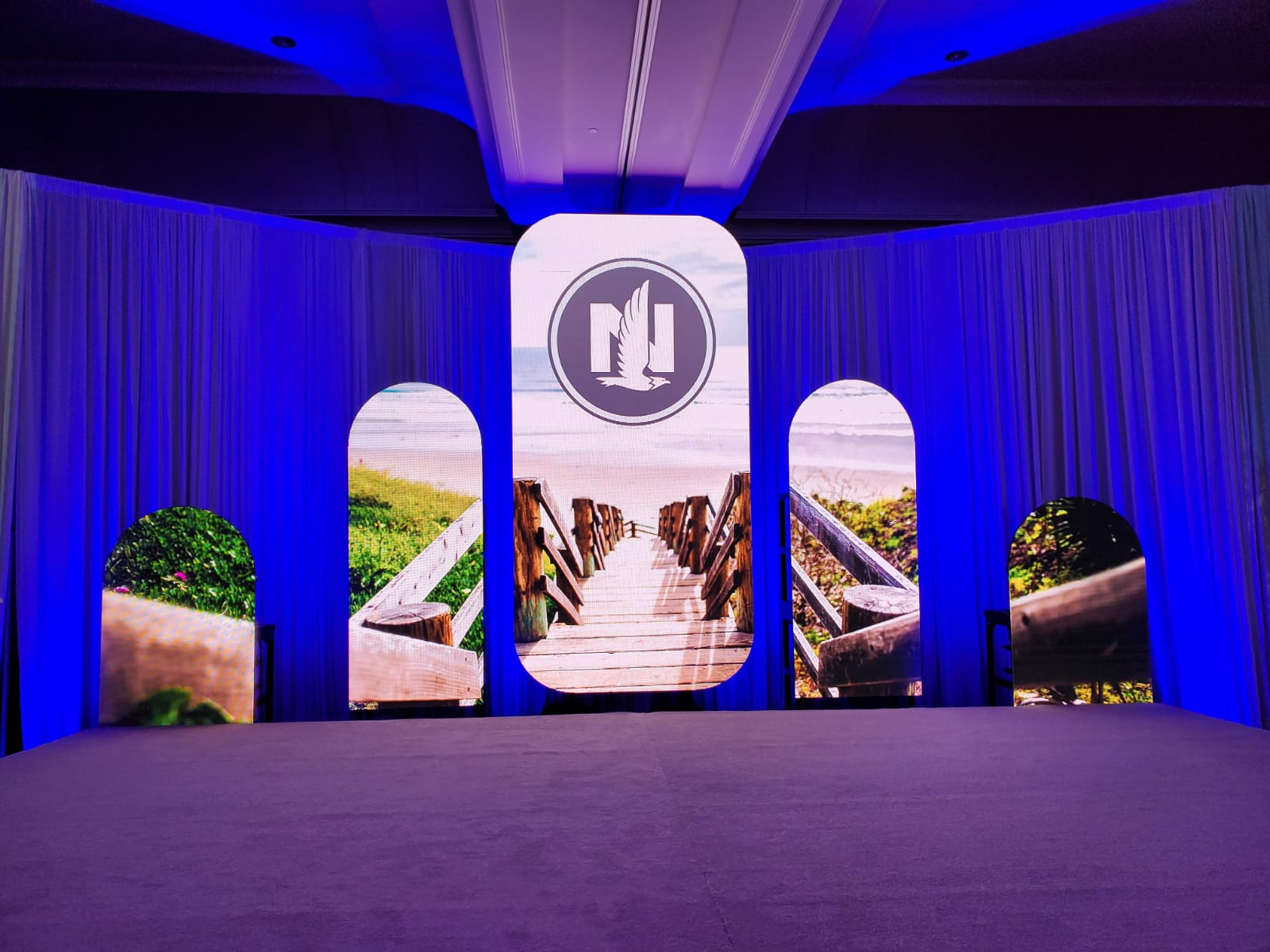
LED wall rental has become essential infrastructure for productions seeking to deliver compelling visual experiences to both live and remote audiences. The integration of massive display systems with broadcast-quality streaming requires careful planning and sophisticated technical execution. Understanding these requirements helps production teams create events that satisfy audiences regardless of their viewing location.
Technical Challenges of LED Walls in Broadcast
LED walls present unique challenges for camera capture that require specialized knowledge and equipment. The same characteristics that make these displays visually stunning in person can cause significant problems when viewed through camera lenses. Understanding and addressing these challenges is fundamental to successful streaming productions.
Moiré patterns occur when LED pixel structures interact with camera sensors, creating distracting visual artifacts. These interference patterns appear as wavy lines or rainbow effects that degrade image quality. LED wall rental specifications increasingly emphasize anti-moiré characteristics that minimize these effects for broadcast applications.
Refresh rate synchronization between LED walls and cameras prevents scanning artifacts. If screen refresh and camera shutter aren’t properly aligned, portions of LED displays may appear dark or discolored in captured footage. Modern LED systems offer adjustable refresh rates that can be tuned to match specific camera configurations.
Color accuracy between in-person viewing and broadcast output requires careful calibration. LED displays optimized for live audiences may not translate accurately to streaming platforms without adjustment. Color management workflows ensure that viewers at home experience visuals that represent the artist’s creative intent.
Content Optimization for Dual Audiences
Creating content that works for both live audiences and streaming viewers presents interesting creative challenges. Material that reads well from distant seats in arenas may appear overwhelming on home screens. Conversely, subtle details visible on close-up camera shots may be invisible to in-venue attendees.
LED wall rental packages for streaming productions should include content preview systems that simulate both viewing experiences. Directors can evaluate how material appears at various distances and on different screen sizes before committing to final versions. This dual preview capability prevents surprises during live broadcasts.
Motion design considerations differ between environments. Rapid movement that creates exciting energy in large venues may cause motion blur or compression artifacts in streaming outputs. Content designers must balance dynamic impact with technical constraints of various delivery platforms.
Text and graphic elements require particular attention. Font sizes and contrast ratios must accommodate both distant live viewing and compressed digital streams. Testing content across multiple output scenarios ensures legibility regardless of viewing context.
Camera Integration and Placement
Camera positioning for streaming productions must account for LED wall placement and content. Poor camera angles can reveal panel seams, create unwanted reflections, or capture unflattering perspectives on screen content. Strategic camera placement maximizes the visual impact of LED investments.
LED wall rental configurations for streaming should consider camera sightlines during design phases. Screen angles and positions that work well for live audiences may present challenges for broadcast capture. Collaborative planning between video, lighting, and broadcast teams prevents conflicts that could compromise either experience.
Virtual production techniques borrowed from film and television offer exciting possibilities for concert streaming. LED volumes can display real-time backgrounds that respond to camera movements, creating immersive environments that enhance broadcast presentations. These applications require specialized LED systems and sophisticated tracking infrastructure.
Robotic camera systems can be programmed to complement LED content, creating synchronized visual compositions impossible with manual operation. Automated movements timed to video cues enhance the connection between screen content and broadcast imagery.
Network Infrastructure Requirements
Streaming productions demand robust network infrastructure that can handle multiple high-bandwidth signals simultaneously. LED wall signals, camera feeds, audio streams, and outgoing broadcasts all compete for network capacity. Proper infrastructure planning prevents bottlenecks that could compromise stream quality.
LED wall rental for streaming events should include considerations for network integration. Modern LED systems increasingly rely on IP-based signal distribution that shares infrastructure with broadcast networks. Careful traffic management ensures that video wall control signals don’t interfere with streaming outputs.
Redundant network pathways protect against failures that could interrupt live broadcasts. Backup links, automatic failover systems, and real-time monitoring ensure that streaming continues even if primary connections fail. The cost of redundancy is minimal compared to the consequences of stream interruptions.
Upload bandwidth requirements for high-quality streaming can be substantial. Venue internet connections often cannot support broadcast-grade streams without supplementation. Bonded cellular systems, satellite uplinks, and dedicated fiber connections provide the bandwidth streaming productions demand.
Audio Considerations for Streaming
While LED walls address visual requirements, audio quality is equally critical for streaming success. The acoustic environment that creates exciting live experiences may not translate well to home listening without careful management. Broadcast audio requires separate mixing approaches from front-of-house sound.
Isolated audio feeds from various sources allow broadcast mixers to create balanced presentations independent of live venue acoustics. Direct signals from instruments, vocal microphones, and audience capture combine into mixes optimized for home listening environments.
Synchronization between audio and video streams prevents lip-sync issues that distract viewers. Processing delays in LED systems, cameras, and encoding equipment must be accounted for and compensated. Monitoring systems verify synchronization throughout broadcasts.
Immersive audio formats offer opportunities to enhance streaming experiences beyond traditional stereo. Spatial audio streams can create enveloping soundscapes that complement visual immersion provided by LED wall content. Platform support for these formats continues expanding.
Monetization and Platform Strategy
Streaming concerts create revenue opportunities that complement traditional ticket sales. Various business models have emerged, from free ad-supported streams to premium pay-per-view events. LED wall rental costs can be offset by expanded audience reach and associated revenue streams.
Platform selection affects both technical requirements and audience reach. Different streaming services impose varying encoding specifications, content restrictions, and monetization options. Productions may simultaneously broadcast across multiple platforms to maximize viewership.
Interactive features differentiate streaming experiences from simple video broadcasts. Chat integration, virtual meet-and-greets, and exclusive content for streaming viewers create engagement that builds audience loyalty. These features require additional technical infrastructure but enhance perceived value.
Geographic considerations influence streaming strategy. Artists can reach international audiences without touring costs while maintaining premium production values. Time zone scheduling affects live viewership, though on-demand replay options extend content availability.
Future Directions in Hybrid Events
The evolution of hybrid events continues accelerating as technology advances and audience expectations develop. LED wall rental specifications increasingly include features specifically designed for broadcast applications, recognizing that streaming has become standard rather than exceptional.
Virtual reality integration offers possibilities for immersive remote experiences that approach the impact of live attendance. Specialized cameras and LED environments can create VR content that places viewers virtually within concert spaces. This technology remains emerging but advancing rapidly.
Personalization technologies may eventually allow streaming viewers to customize their experiences, selecting camera angles, audio mixes, or even LED wall content preferences. Such capabilities would require significant infrastructure investment but could differentiate streaming products dramatically.
The integration of live streaming with LED wall production represents a fundamental evolution in how concerts reach audiences. Productions that embrace this convergence create expanded opportunities for artistic expression and audience connection. As technologies mature and workflows refine, the distinction between live and broadcast experiences will continue blurring, ultimately benefiting artists and audiences alike.