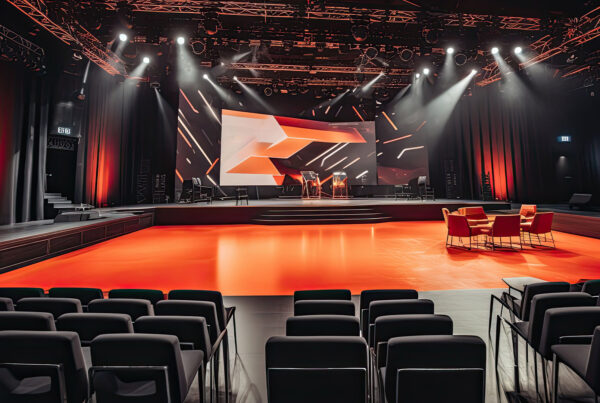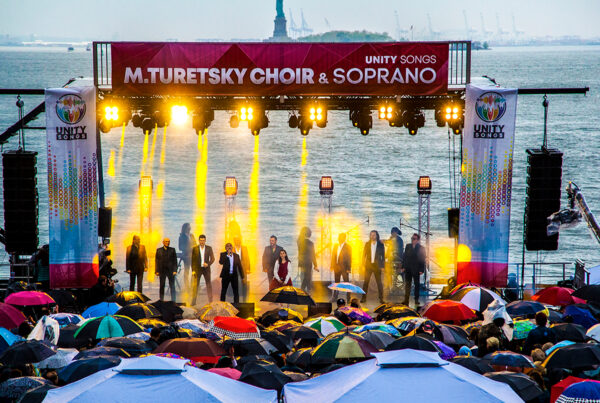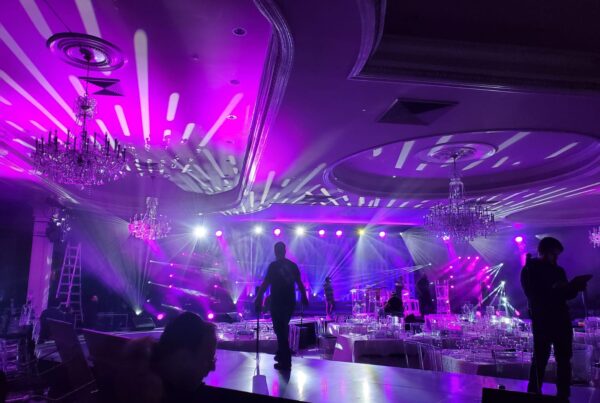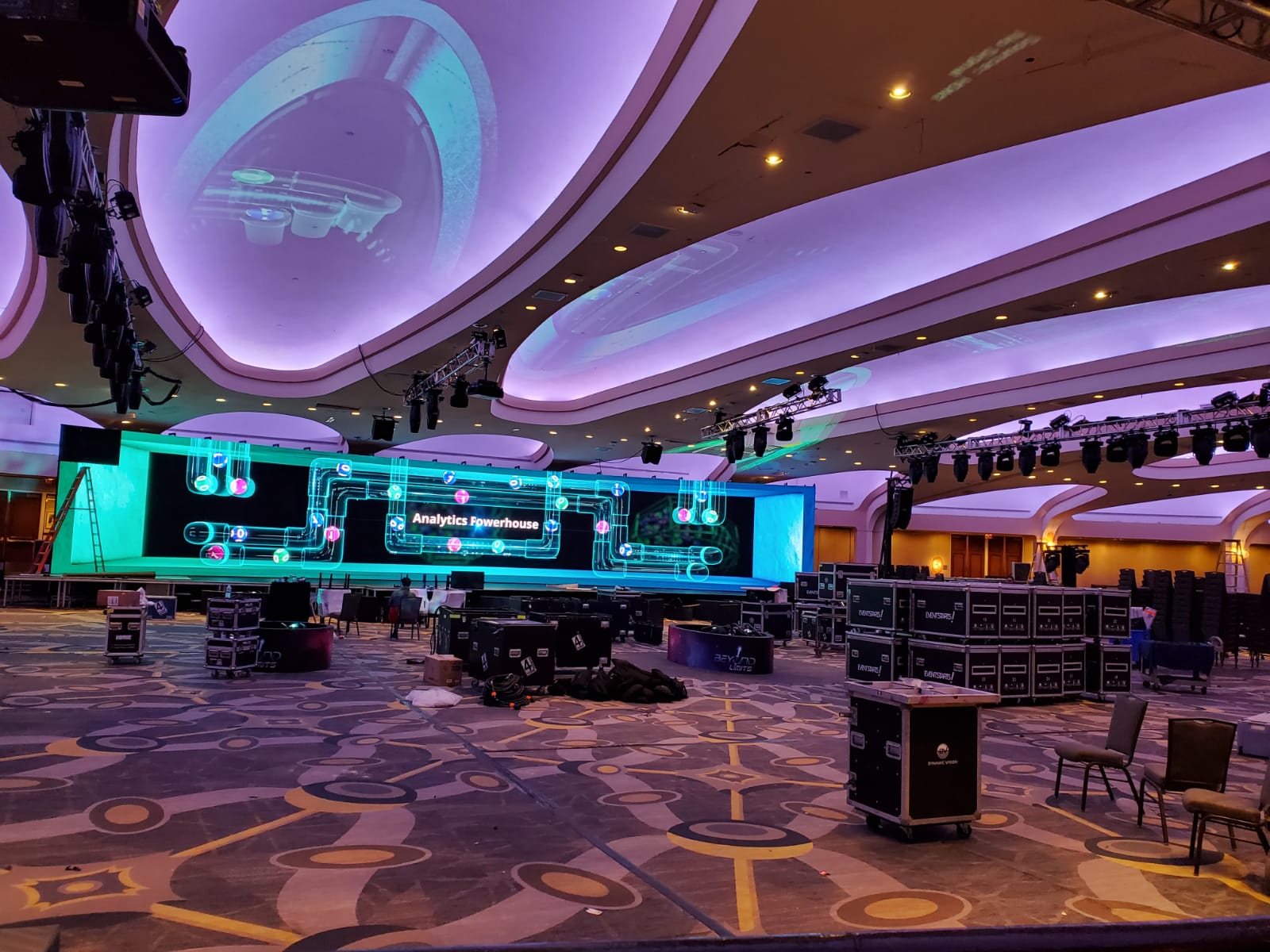
Visual design has become as essential to live events as musical performance. The interplay between lighting and video creates environments that transport audiences beyond the physical confines of venues into immersive artistic experiences. When executed well, this synthesis elevates ordinary concerts into extraordinary spectacles that audiences remember for years.
Event lighting rental services have evolved significantly to meet the growing demands of modern production design. Today’s lighting packages include intelligent fixtures, atmospheric effects, and sophisticated control systems that work seamlessly with video elements to create cohesive visual narratives.
Understanding the Relationship Between Light and Video
Light and video are inherently connected through the physics of visual perception. Both technologies manipulate photons to create images and atmospheres, but they do so in fundamentally different ways. Understanding these differences is essential for creating productions where both elements enhance rather than compete with each other.
LED walls emit light directly, projecting images with high brightness and contrast. Traditional lighting fixtures reflect light off surfaces and subjects, creating depth and dimension. When these approaches work together harmoniously, the results are far more impactful than either could achieve independently.
Event lighting rental packages should be selected with video integration in mind. Color temperatures must be compatible, brightness levels must be balanced, and control systems must allow for precise synchronization. Production designers increasingly think of lighting and video as a unified visual system rather than separate departments.
Color Coordination Strategies
Color is perhaps the most powerful tool in the visual designer’s arsenal. Consistent color palettes across lighting and video elements create unified aesthetics that reinforce artistic themes. Contrasting colors can create visual tension that enhances dramatic moments in performances.
Modern event lighting rental fixtures offer unprecedented color control. RGBW and RGBA systems can produce virtually any hue with remarkable accuracy. Color calibration ensures that lighting colors match video content precisely, preventing visual discord that can distract audiences from the performance.
Color temperature is often overlooked but critically important. LED walls typically display content calibrated for specific white points. Lighting that doesn’t match can make performers appear unnatural or create visible color shifts as audience members’ eyes adjust between light sources.
Dynamic color changes must be coordinated between lighting and video operators. Pre-programmed cues ensure simultaneous transitions, while timecode synchronization maintains perfect alignment throughout complex sequences. Many productions now use integrated control surfaces that manage both systems from a single interface.
Brightness Balancing for Optimal Results
Achieving proper brightness balance between lighting and video requires careful planning and calibration. LED walls can be extremely bright, potentially overwhelming theatrical lighting if not properly managed. Conversely, insufficient video brightness can make screens appear washed out under stage lighting.
Event lighting rental specifications should account for expected video brightness levels. Fixtures need sufficient output to compete with modern high-brightness displays while maintaining energy efficiency and heat management. Premium rental packages include fixtures specifically designed for integration with video systems.
Zone-based brightness control allows for varied intensities across different stage areas. Performance zones might require brighter lighting for camera capture, while areas adjacent to LED walls can be more subtly lit to avoid screen washout. This approach creates visual depth while maintaining performer visibility.
Real-time brightness adjustment systems can automatically compensate for changing video content. Darker video sequences allow lighting to become more prominent, while bright video moments trigger corresponding lighting reductions. These dynamic adjustments maintain visual balance throughout varied programming.
Spatial Design and Layering Techniques
Effective visual design creates multiple layers of depth that draw audiences into the performance space. Background video provides environmental context, mid-ground lighting shapes the performance area, and foreground elements frame the action. Each layer contributes to the overall composition without overwhelming others.
Event lighting rental for layered designs includes a variety of fixture types. Wide-coverage wash lights create ambient layers, while focused spot fixtures provide accent and performer highlighting. Moving lights add dynamic elements that can shift between layers throughout performances.
Video content should be designed with spatial awareness. Background elements can extend visual depth beyond physical stage boundaries, creating illusions of vast spaces or intimate environments. Foreground video elements on transparent LED or projection surfaces add additional layers between performers and audiences.
The relationship between physical and virtual space creates compelling visual opportunities. Lighting can emphasize real architectural features while video extends these elements into virtual environments. This blending of physical and digital realms is central to contemporary event design.
Synchronization and Control System Integration
Seamless integration between lighting and video requires sophisticated control infrastructure. Modern productions typically run on timecode, ensuring that every cue fires with millisecond precision. This synchronization is essential for complex sequences where lighting and video changes must occur simultaneously.
Event lighting rental packages increasingly include network-enabled fixtures that integrate with video systems through common protocols. Art-Net, sACN, and similar standards allow lighting and video to share network infrastructure and respond to common control signals.
Integrated media servers can generate both lighting data and video content from unified interfaces. This approach simplifies programming and ensures perfect coordination between visual elements. Operators can adjust entire visual scenes with single gestures rather than managing separate systems independently.
Backup systems and failover protocols protect against technical failures. Redundant control surfaces, backup servers, and emergency lighting presets ensure that shows can continue even if primary systems encounter problems. Professional productions never rely on single points of failure for critical visual elements.
Atmospheric Effects and Environmental Integration
Atmospheric effects bridge the gap between lighting and architecture, creating environments that extend visual design throughout venue spaces. Haze and fog catch light beams, making invisible fixtures visible and adding dimensionality to lighting designs.
Event lighting rental often includes atmospheric equipment as standard components. Proper haze distribution is essential for revealing beam effects without obscuring video content. Variable-output hazers allow operators to adjust atmospheric density based on specific visual requirements.
Atmospheric effects interact with video content in interesting ways. Light from LED walls illuminates particles in the air, creating soft glows that extend screen images into three-dimensional space. This interaction blurs boundaries between video and lighting, creating unified visual environments.
Environmental projections and architectural lighting transform venue surfaces into dynamic visual canvases. Building facades, ceiling structures, and audience areas become part of the visual composition. These elements surround audiences with design, creating fully immersive experiences.
Practical Considerations for Production Teams
Successful integration of lighting and video requires close collaboration between traditionally separate departments. Pre-production meetings should include representatives from both teams to discuss aesthetic goals, technical requirements, and potential integration challenges.
Event lighting rental providers can offer valuable consultation during planning phases. Their experience with various venue configurations and video systems helps production teams anticipate issues before they become problems during load-in and programming sessions.
Programming schedules should allocate sufficient time for lighting and video integration. Separate programming followed by integration sessions allows each team to establish their baseline looks before coordinating combined effects. Rushing this process often results in compromised visual quality.
Documentation of integrated cues facilitates consistent execution across multiple performances. Detailed notes about brightness levels, color settings, and timing relationships help operators replicate successful effects and troubleshoot issues that arise during tours or festival runs.
Future Trends in Integrated Visual Design
The convergence of lighting and video technologies continues to accelerate. LED fixtures increasingly incorporate video capabilities, while LED walls can function as architectural lighting elements. This technological overlap is creating new categories of hybrid fixtures that defy traditional classifications.
Artificial intelligence is beginning to influence integrated visual design. Machine learning systems can analyze musical content in real-time and generate corresponding lighting and video cues automatically. While human creativity remains essential, these tools are expanding possibilities for dynamic, responsive visual environments.
As technologies evolve, event lighting rental offerings will continue to expand. Production teams who embrace integrated approaches to visual design will create increasingly impactful experiences that set new standards for live entertainment. The future belongs to those who see lighting and video not as separate elements but as unified components of comprehensive visual storytelling.