The visual landscape of live concerts has been transformed by advances in display technology. Where once audiences gathered primarily to hear music, today’s concert-goers expect comprehensive sensory experiences that engage both ears and eyes. Central to this transformation has been the development of modular LED display systems that offer unprecedented creative possibilities for production designers.
LED screen rental has become a cornerstone of professional concert production, providing access to premium display technology without the substantial capital investment of ownership. The modular nature of modern LED systems makes them particularly well-suited to rental applications, offering flexibility that fixed installations cannot match.
Understanding Modular LED Technology
Modular LED screens consist of individual panels that connect together to form larger displays. Each panel contains arrays of light-emitting diodes that produce images when driven by sophisticated control systems. The modular approach allows screens of virtually any size and shape to be assembled from standardized components.
Panel sizes vary by manufacturer and application, but common dimensions facilitate efficient packing and transportation. Standard panels typically measure 500 millimeters square, though larger and smaller options exist for specific applications. LED screen rental inventories often include multiple panel sizes to accommodate diverse design requirements.
Pixel pitch describes the distance between adjacent LED clusters and directly impacts image resolution. Smaller pixel pitches produce finer images but require more LEDs per unit area, increasing cost. Concert applications typically use pitches between 2.5 and 6 millimeters, balancing image quality with viewing distances and budget constraints.
Connection systems allow panels to link mechanically and electronically. Quick-lock mechanisms enable rapid assembly without tools, while integrated power and signal distribution simplify cabling. These features are essential for concert applications where setup time is limited and reliability is critical.
Creative Design Flexibility
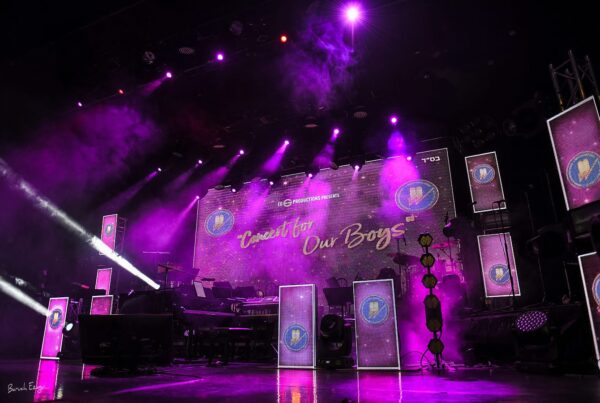
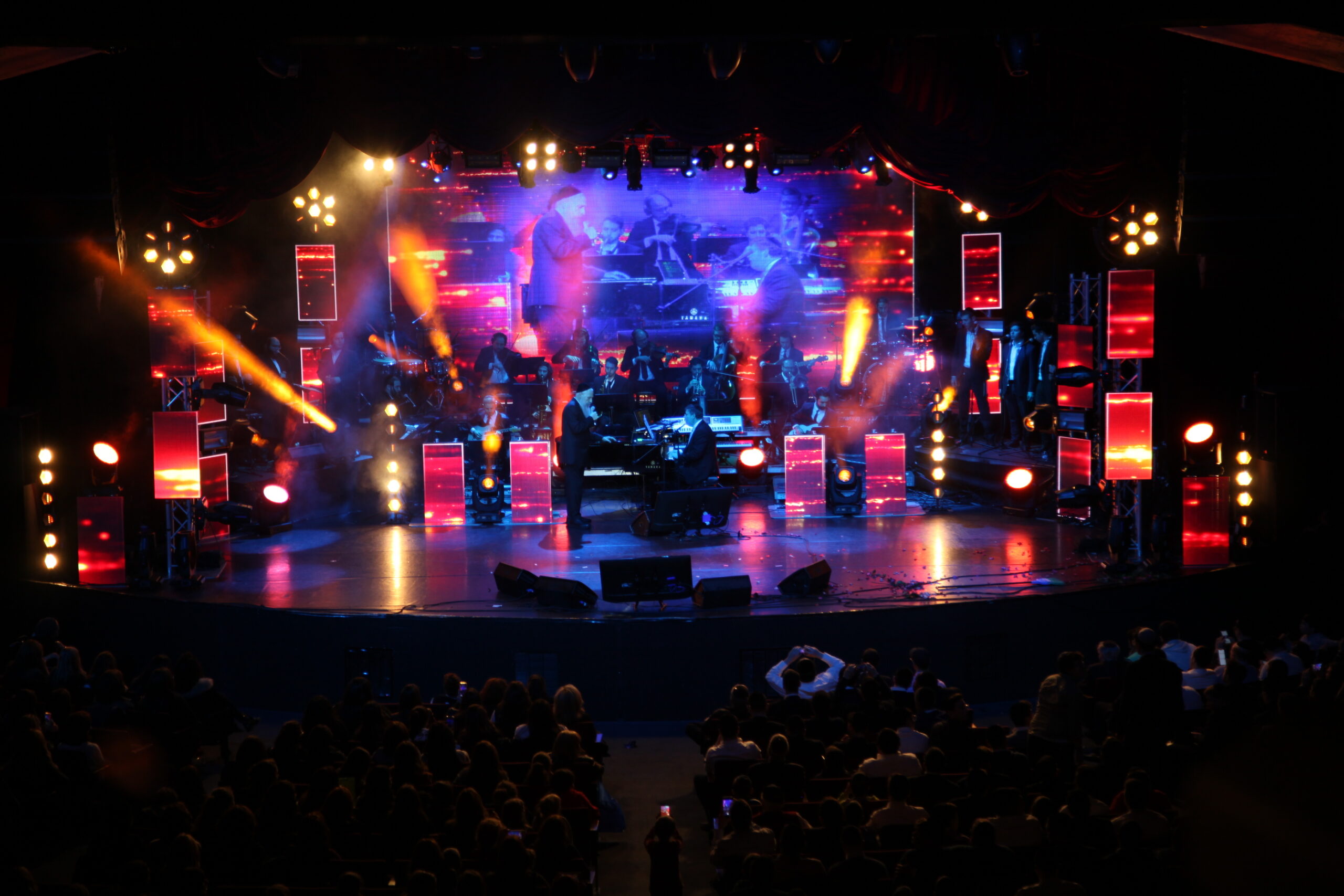
The modular nature of LED screens enables creative configurations impossible with traditional displays. Production designers can create curved surfaces, three-dimensional structures, and unconventional shapes that become integral elements of stage design. This flexibility has revolutionized concert visual aesthetics.
LED screen rental allows production teams to match display configurations to specific artistic visions. A rock concert might feature angular, aggressive shapes, while a pop production could incorporate flowing curves. The same rental inventory can serve radically different designs by reconfiguring standard panels.
Transparency and negative space have become important design elements. Rather than solid walls of LED, contemporary designs often incorporate gaps, angles, and layered elements that create visual depth. This approach reduces overall panel counts while creating more dynamic visual environments.
Integration with other production elements extends creative possibilities. LED panels can be combined with lighting fixtures, scenic elements, and projection to create hybrid designs that leverage multiple technologies. The modular format facilitates these integrations by allowing precise positioning and spacing.
Scalability for Different Venue Sizes
Concert tours often visit venues of varying sizes, from intimate clubs to massive arenas. Modular LED systems can scale to match these different environments, maintaining visual impact appropriate to each space. This scalability makes LED screen rental practical for touring productions.
Smaller venues might utilize compact screen configurations that fit within limited stage footprints. The same panels can combine into larger arrays for arena shows, maintaining design aesthetics while adjusting to available space. Content systems can adapt output to different screen dimensions automatically.
Budget considerations often drive scaling decisions. LED screen rental pricing typically reflects panel quantities, so smaller configurations cost less than full arena deployments. This flexibility allows productions to maintain visual standards while managing costs across diverse venue schedules.
Technical crews must understand how to reconfigure systems efficiently between venue sizes. Standardized connection systems and modular design simplify these transitions, but proper training ensures that scaled systems maintain performance standards regardless of configuration.
Transportation and Logistics Advantages
Concert touring demands equipment that travels efficiently. Modular LED panels pack densely into road cases, maximizing truck utilization while protecting sensitive electronics during transit. This efficiency significantly impacts touring budgets, particularly for productions visiting multiple cities.
Standardized panel dimensions allow LED screen rental companies to optimize packing configurations. Custom flight cases protect specific panel quantities while maximizing space efficiency. Well-designed touring packages minimize the truck space required for video systems.
Weight distribution affects not only transportation but also venue rigging requirements. Modern LED panels utilize lightweight materials that reduce structural demands without compromising brightness or durability. This attention to weight management expands the venues where large screens can be deployed.
Setup and teardown efficiency impacts labor costs and schedule flexibility. Quick-lock panel connections reduce assembly time, while clear labeling systems prevent installation errors. Experienced crews can assemble substantial LED arrays in surprisingly short timeframes.
Reliability and Serviceability
Live concerts demand reliable equipment that performs consistently under demanding conditions. Modular LED systems offer significant reliability advantages through component redundancy and simplified repair procedures. These characteristics make them particularly suitable for touring applications.
Individual panel failures affect only small portions of overall displays. LED screen rental packages typically include spare panels that can replace malfunctioning units quickly, often during performances if necessary. This redundancy ensures that technical issues don’t derail shows.
Field serviceability allows many repairs to occur on-site rather than requiring return to service facilities. Modular power supplies, control electronics, and LED modules can be swapped without specialized equipment. Rental companies often provide training and spare parts that enable local crews to address common issues.
Preventive maintenance between shows extends equipment life and prevents failures. Visual inspection, cleaning, and connection verification can identify potential problems before they affect performances. Professional LED screen rental operations include maintenance protocols that protect both equipment and productions.
Content Creation and Management
Modular LED configurations require content designed specifically for their unique shapes and dimensions. Production teams must understand how content systems address irregular layouts and ensure that visuals display correctly across diverse configurations.
Content mapping software allows designers to visualize how material will appear on complex screen arrangements. These tools simplify the creative process by providing accurate previews before content reaches actual displays. LED screen rental packages often include content management systems optimized for modular applications.
Resolution independence enables content to adapt to different screen sizes without redesign. Vector graphics, procedural effects, and properly prepared video assets maintain quality regardless of output dimensions. This flexibility supports touring productions that visit venues with varying screen configurations.
Real-time content generation offers creative possibilities that pre-rendered material cannot match. Generative graphics, live camera feeds, and interactive elements respond dynamically to performance conditions. Modern processing systems provide the computational power these applications demand.
Environmental Considerations
Concert productions increasingly consider environmental impact in equipment decisions. LED technology offers significant efficiency advantages over older display technologies, consuming less power while producing brighter images. These efficiency gains translate to reduced operating costs and smaller carbon footprints.
LED screen rental extends equipment lifecycles by ensuring consistent utilization across multiple productions. Rather than sitting idle between shows, rental panels serve continuous duty, maximizing the environmental investment of their manufacture. This shared-use model represents sustainable equipment economics.
Heat management has improved dramatically in recent LED generations. Cooler operation reduces climate control demands in venues while extending component life. Lower heat output also improves comfort for performers working near screen surfaces.
Modular LED screens represent the pinnacle of concert display technology, offering creative flexibility, logistical efficiency, and reliable performance that have transformed live entertainment. As technology continues advancing, these systems will enable even more spectacular visual experiences that complement the music audiences gather to celebrate.