Efficient transportation of LED video wall systems across global touring circuits demands sophisticated logistics planning, specialized equipment, and meticulous handling procedures. Understanding weight distributions, customs protocols, and route optimization ensures equipment arrives undamaged and on schedule while controlling costs that can exceed $500,000 annually for major tours.
Truck Pack and Load Planning
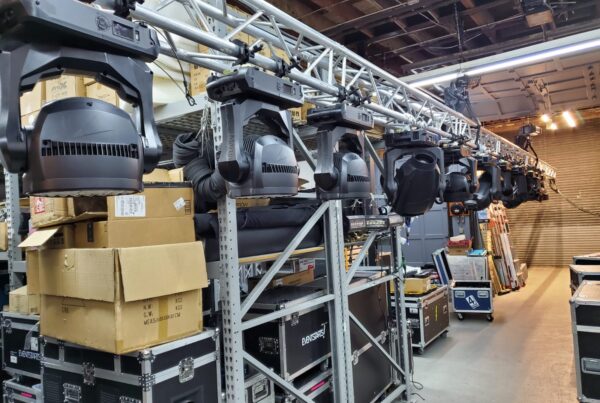
LED panel flight cases consume significant truck space, with standard cases measuring 1.2m x 0.8m x 0.6m and weighing 120-150 kilograms fully loaded. A 150-square-meter display requires approximately 40-50 flight cases for panels alone, consuming 25-30 linear feet of truck space. Processing racks, cable trunks, and rigging hardware add another 15-20 linear feet, filling two standard 53-foot semi-trailers.
Weight distribution across axles prevents overloading violations and maintains vehicle stability. Maximum legal weights vary by jurisdiction, typically limiting single axles to 9,000 kilograms and tandem axles to 17,000 kilograms. LED equipment’s high density requires careful positioning, with heavier processing racks over truck axles and lighter cable cases distributed evenly.
Pack order determines load-out efficiency at venues. Last-on, first-off principles position frequently accessed equipment near truck doors. LED panels needed for initial setup load last, while spare equipment and tools load first. Color-coded cases and detailed pack lists enable rapid identification without unpacking entire trucks. Digital pack documentation with photographic references ensures consistent loading across multiple venues.
Climate control protects sensitive electronics during transport. Temperature-controlled trailers maintain 15-25°C environments preventing condensation and thermal stress. Humidity control keeps relative humidity below 60% avoiding moisture damage. Data loggers record environmental conditions throughout transport, providing evidence for insurance claims if damage occurs.
International Shipping Considerations
ATA Carnets facilitate temporary equipment importation without paying duties or taxes. These international customs documents cover equipment valued up to several million dollars, valid for one year across 80+ countries. Carnet preparation requires detailed equipment lists including serial numbers, values, and countries of manufacture. Processing fees typically cost 5-10% of equipment value.
Air freight enables rapid deployment across continents but costs 5-10 times more than ocean shipping. A single LED panel flight case weighing 150 kilograms costs $2,000-3,000 to air freight from North America to Europe. Charter aircraft for complete productions cost $500,000-1,000,000 per transcontinental move. Airlines require dangerous goods declarations for lithium batteries in processors and UPS systems.
Ocean freight offers economical transportation for extended international legs. A 40-foot container holding complete video departments costs $5,000-10,000 for transpacific routing. Transit times of 20-35 days require advance planning and duplicate equipment sets enabling continuous touring. Container tracking systems monitor location and environmental conditions throughout voyages.
Customs brokerage services navigate complex import regulations varying by country. Experienced brokers prevent costly delays from documentation errors or regulatory non-compliance. Temporary importation bonds guarantee equipment re-exportation, avoiding permanent import duties reaching 25% of value. Pre-clearance programs expedite border crossings for trusted touring organizations.
Regional Transportation Networks
Dedicated tour trucking companies specialize in entertainment logistics, providing drivers familiar with venue access and production requirements. These carriers maintain modern fleets with air-ride suspensions reducing vibration exposure by 80% compared to standard freight trucks. Driver teams enable continuous driving within hours-of-service regulations, covering 1,000+ kilometers daily.
Backhaul agreements reduce transportation costs by coordinating with other tours moving opposite directions. Empty trucks returning from delivered tours carry equipment at reduced rates, saving 30-50% versus dedicated moves. Tour routing software optimizes multi-city itineraries minimizing total distance while maintaining schedule requirements.
Regional equipment positioning reduces transportation distances for multi-leg tours. Storage facilities in major markets house duplicate equipment sets accessed as needed. This hub-and-spoke model reduces average transport distances by 40% compared to continuous touring. Local cartage companies handle final venue delivery, familiar with specific loading dock requirements.
Rail transport offers cost-effective alternatives for long-distance moves with flexible scheduling. Dedicated entertainment rail cars feature climate control and shock absorption systems. Coast-to-coast rail moves cost 50% less than trucking with comparable transit times. Intermodal connections seamlessly transition between rail and truck transport.
Handling and Protection Systems
Shock-absorbing flight cases protect LED panels during transport and handling. Military-grade cases feature 20mm foam lining absorbing impacts up to 50G. Custom-cut foam precisely fits equipment preventing movement within cases. Corner protectors and edge reinforcement prevent damage during stacking and handling. Cases typically survive 200-300 touring cycles before requiring replacement.
Vibration isolation systems prevent fatigue damage during transport. Rubber mounting points decouple equipment from cases while maintaining secure positioning. Critical connections utilize thread-locking compounds preventing loosening. Transport simulation testing validates protection systems before tour deployment.
Handling equipment streamlines loading while preventing injury. Case lifters raise heavy flight cases to truck bed height eliminating manual lifting. Hydraulic tail lifts support 1,500 kilograms enabling ground-level loading. Chain motors temporarily installed in venues lift cases to elevated stages. Proper equipment reduces injury rates by 75% compared to manual handling.
Environmental monitoring validates handling compliance and documents any mishandling. Impact recorders trigger at predetermined G-force levels indicating drops or collisions. GPS tracking provides real-time location monitoring and route verification. Temperature/humidity loggers ensure environmental specifications maintained throughout transport chains.
Insurance and Risk Management
Comprehensive insurance covers equipment value, transportation liability, and business interruption. Policies typically cost 2-4% of insured value annually with deductibles ranging from $10,000-50,000 per claim. Coverage must explicitly include mysterious disappearance, as theft during transport remains common. International coverage requires specific territorial endorsements.
Load security prevents theft during transport and overnight parking. High-security padlocks, seal systems, and GPS tracking deter opportunistic theft. Secured parking facilities with surveillance and access control provide overnight protection. Driver background checks and bonding provide additional security assurance.
Damage documentation procedures establish clear liability chains. Photographic evidence before and after each transport leg identifies when damage occurred. Detailed inspection reports signed by drivers acknowledge equipment condition. This documentation proves essential for insurance claims and carrier liability disputes.
Contingency planning addresses equipment loss or delay scenarios. Redundant equipment pre-positioned along tour routes enables show continuation despite primary equipment issues. Vendor relationships in major markets provide emergency rental availability. Financial reserves cover unexpected air freight costs when ground transport fails.
Cost Optimization Strategies
Consolidated purchasing leverages volume for reduced rates across multiple tours. Production companies negotiating annual contracts achieve 20-30% savings versus spot market pricing. Fuel surcharge caps protect against price volatility. Guaranteed capacity ensures truck availability during peak touring seasons.
Equipment standardization reduces spare inventory and simplifies logistics. Common flight case dimensions maximize truck utilization. Standardized connections eliminate adapter requirements. Modular designs enable partial system deployment for smaller venues, reducing unnecessary transport.
Return logistics optimization prevents deadhead miles without revenue generation. Coordinating multiple clients’ tours creates continuous equipment flow. Seasonal equipment repositioning anticipates demand patterns. Strategic partnerships share transportation costs among non-competing tours.
Technology integration streamlines logistics operations and reduces errors. RFID tags enable automated inventory tracking and chain-of-custody documentation. Transportation management systems optimize routing and consolidate shipments. Mobile applications provide real-time visibility and exception management capabilities.
Professional touring requires sophisticated transportation logistics ensuring reliable equipment delivery while controlling costs. Investment in proper cases, handling equipment, and logistics partnerships prevents damage and delays potentially canceling shows. As tours grow increasingly complex with larger productions and tighter schedules, transportation excellence becomes crucial for successful global touring operations.