Understanding High Frame Rate Video
High frame rate (HFR) video refers to footage captured or displayed at a higher number of frames per second than standard video. While traditional content is often at 24 or 30 fps, high frame rates like 60, 120, or even 240 fps provide smoother motion, reduced blur, and enhanced clarity. On LED walls, high frame rate video transforms the viewing experience by delivering crisp, realistic visuals that keep audiences engaged, even at large-scale events or close viewing distances.
Why HFR Matters for LED Walls
LED walls are designed to display bright, vibrant visuals with excellent contrast and color accuracy. However, standard frame rates can cause motion blur or stuttering when showing fast-moving content such as live action, graphics, or transitions. Using HFR:
-
Reduces motion blur: Fast-moving objects remain sharp, maintaining image quality.
-
Enhances realism: Smooth motion increases immersion for concerts, corporate shows, and live streaming.
-
Improves readability of on-screen text: Critical for presentations and brand messaging.
-
Reduces eye strain: Smooth motion is easier for audiences to watch over long events.
By integrating high frame rate video into LED wall content, event planners ensure that every visual element—from live feeds to animated graphics—delivers maximum impact.
Practical Applications in Live Events
Concerts and Festivals
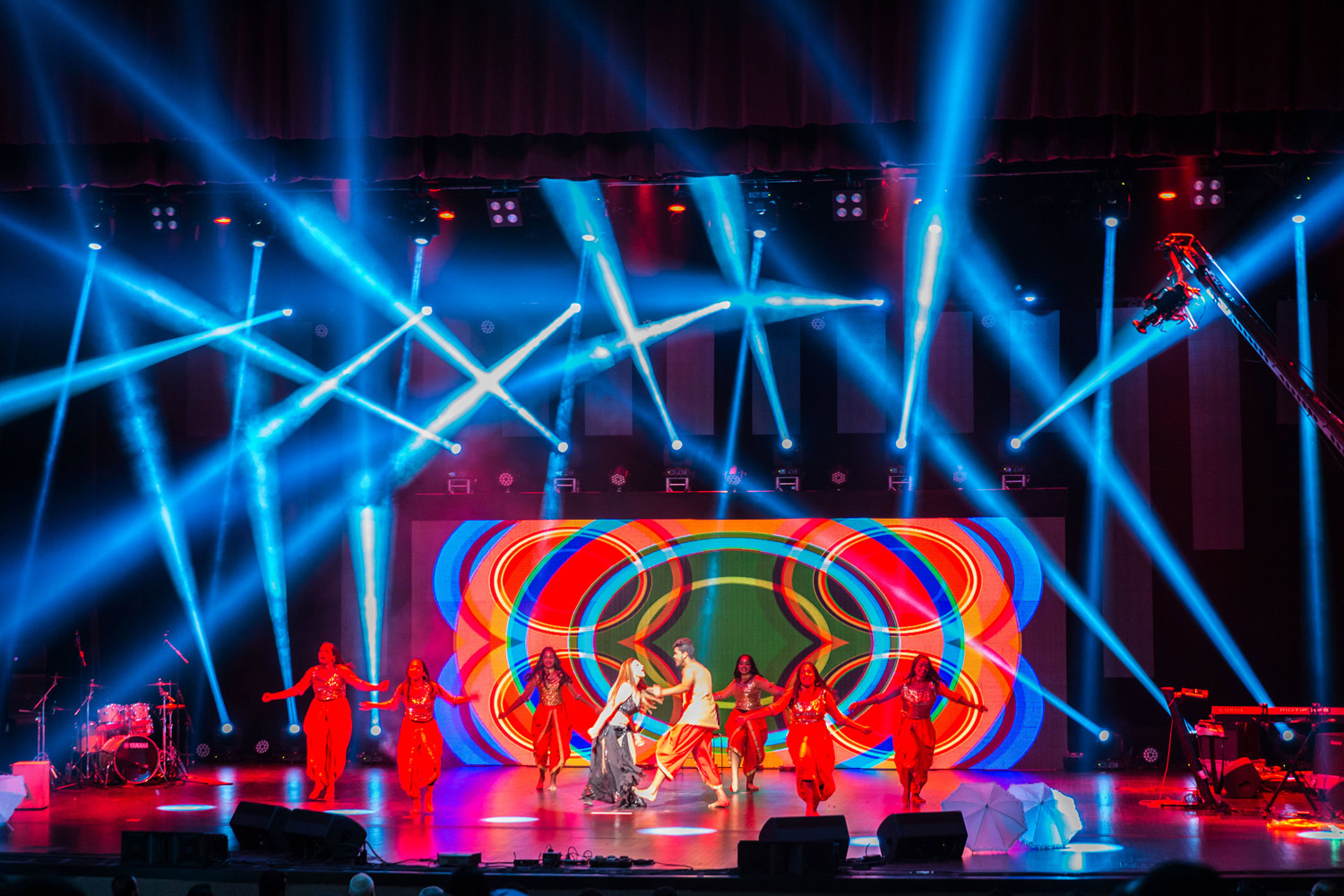
Concert LED walls often display a combination of live camera feeds, animations, and motion graphics. With HFR content, performers’ movements appear fluid, and camera pans or transitions remain smooth. This improves audience perception and engagement, especially in large venues where attendees may be far from the stage.
Corporate Events
Product launches, keynote presentations, and corporate conferences benefit from HFR content by making dynamic visuals, graphs, and video clips sharper. Smooth visuals increase clarity, helping the audience absorb information more effectively.
Hybrid and Live-Streamed Events
For events broadcasted online, HFR ensures that both in-person and remote audiences see high-quality visuals. When LED walls are used as live displays, motion artifacts can appear more pronounced at lower frame rates. HFR mitigates these issues, maintaining a polished, professional presentation.
Technical Considerations
Capture Equipment
To utilize HFR effectively, cameras and content sources must support higher frame rates. Modern professional cameras offer 60–120 fps capture for live production, ensuring content aligns with the LED wall’s display capabilities.
LED Wall Refresh Rates
LED panels have a refresh rate, typically measured in Hz. To display HFR content properly, the panel refresh rate should match or exceed the video frame rate. For example, 120 fps content requires panels capable of 120 Hz or higher to prevent flicker or tearing.
Playback Hardware
HFR content demands more from playback systems. Servers, media players, and switchers must handle higher bandwidth and processing requirements. Event AV teams need to verify that all components—from media servers to LED processors—support the increased data load.
Design Tips for HFR Content on LED Walls
-
Motion Graphics: Smooth transitions, fast-moving animations, and video loops benefit most from HFR, making content appear seamless.
-
Camera Feeds: Multi-camera setups on concerts or conferences can reduce motion artifacts when using HFR, especially with tracking shots.
-
Text and Branding: High-speed movement of text, tickers, or logos remains legible and visually clean at higher frame rates.
-
Audience Interaction: For interactive LED walls, HFR ensures that touch or gesture-based content responds instantly and smoothly.
Challenges and Solutions
Bandwidth and Storage
HFR content requires higher storage and bandwidth. Solutions include:
-
Using efficient codecs optimized for HFR.
-
Pre-rendering complex animations in advance.
-
Employing high-speed media servers and dedicated network infrastructure.
Synchronization
Multiple LED walls or screens may need synchronized playback. To avoid lag or frame mismatch, AV teams should:
-
Use timecode-based synchronization across players.
-
Ensure refresh rates are consistent across panels.
-
Test playback extensively before the event.
Cost Considerations
High frame rate cameras, servers, and panels may increase costs. However, the improved audience experience, brand impact, and content clarity often justify the investment.
Future Trends
-
HFR Live Streaming: Increasingly, live events are being broadcast in HFR, requiring LED walls to match the frame rate for in-venue displays.
-
Interactive Installations: HFR improves responsiveness for gesture or sensor-driven LED content.
-
Virtual Production Integration: Combining LED walls with virtual sets and HFR allows realistic, immersive environments for live events.