AV Production Industry Insights | Professional Technical Guide
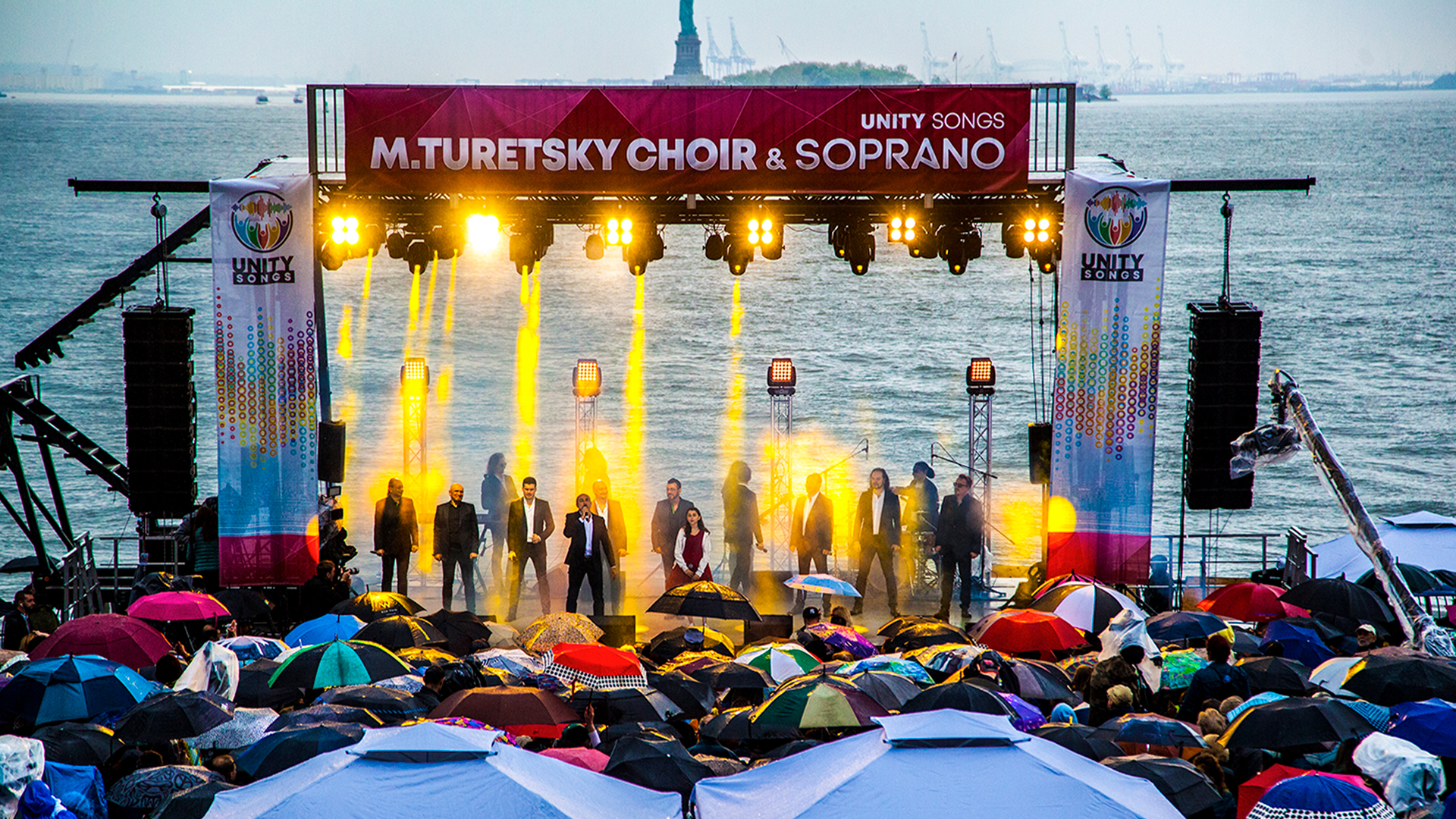
Picture this: you’ve spent three months planning the perfect outdoor festival sound system. The headliner takes the stage, forty thousand fans erupt—and then the sky opens up. In seven minutes flat, your rental company’s pristine JBL VTX A12 line array is taking a beating that would make Neptune wince. Welcome to the unglamorous reality of outdoor audio production, where Mother Nature doesn’t care about your signal flow.
The Brutal Economics of Water Damage
When the original Woodstock festival descended into its legendary mud bath in 1969, the audio equipment took such catastrophic damage that several rental companies nearly went bankrupt. Fast forward to modern festival season, and the stakes have multiplied exponentially. A single damaged d&b audiotechnik GSL system can represent a loss exceeding half a million dollars. Insurance claims for weather-related audio damage at major festivals now routinely exceed what entire productions cost two decades ago.
The IP (Ingress Protection) rating system has become the universal language of survival in outdoor audio. An IP65-rated cabinet like the Meyer Sound LEOPARD can handle sustained rain exposure without internal damage—the “6” meaning total dust protection, the “5” indicating resistance to water jets from any direction. But here’s what separates veterans from newcomers: understanding that IP ratings tell you about enclosure survival, not operational reliability.
When Humidity Becomes the Silent Killer
The real danger at outdoor events often isn’t the dramatic downpour—it’s the creeping menace of humidity. Condensation forms inside speaker cabinets when temperature differentials exceed certain thresholds. Your L-Acoustics K2 might survive a thunderstorm only to develop voice coil corrosion three weeks later from moisture that accumulated during a foggy morning load-in.
Seasoned production managers now deploy industrial dehumidifiers inside FOH (Front of House) tents and keep silica gel packets inside cases during transport. The Yamaha RIVAGE PM series consoles, despite their robust construction, have proven particularly sensitive to humidity affecting their touchscreen responsiveness. Smart crews position portable climate control units near mixing positions—not for human comfort, but to protect equipment worth more than most houses.
Rigging Considerations Nobody Teaches You
Weatherproofing extends far beyond the speakers themselves. Flying hardware, motor controllers, and cabling all face unique outdoor challenges. Chainmaster hoists rated for outdoor use incorporate sealed housings that prevent moisture from reaching motor windings, but they also require modified maintenance schedules when deployed in humid environments. The difference between an indoor-rated CM Lodestar and its outdoor-rated counterpart often determines whether your line array stays airborne when conditions deteriorate.
Cable management in wet conditions demands obsessive attention. Neutrik speakON connectors with their rubber boot seals became the industry standard precisely because XLR connections proved catastrophically unreliable when exposed to rain. Modern production specs increasingly require IP67-rated cable assemblies throughout the entire signal chain—from stage boxes through snake runs to amplifier racks.
Learning from Spectacular Failures
The 2011 Indiana State Fair stage collapse, while primarily a structural failure, revealed how weather monitoring had been treated as an afterthought in live event production. That tragedy prompted an industry-wide reconsideration of meteorological protocols. Today, major festivals like Coachella and Glastonbury employ dedicated weather monitoring teams using Davis Instruments professional weather stations that trigger automated shutdown procedures when wind speeds or lightning proximity exceed safe thresholds.
Allen & Heath developed their dLive series with outdoor deployment specifically in mind, incorporating conformal coating on circuit boards to resist moisture damage. This seemingly minor engineering decision has made the platform a festival favorite, particularly for monitor positions where splash exposure is inevitable.
The Future Belongs to the Prepared
Climate change has made weather unpredictability the new normal for outdoor production. Events that historically faced minimal weather risk now require contingency planning that would have seemed excessive a decade ago. Production companies investing in weatherproof inventory QSC KLA series, Electro-Voice X-Line Advance, and similar IP-rated systems—find themselves booking shows that competitors must decline.
The lesson is brutally simple: in outdoor audio production, weatherproofing isn’t a luxury specification or an insurance checkbox. It’s the difference between completing a show and explaining to forty thousand disappointed fans why the music stopped. Every dollar spent on proper IP-rated equipment, moisture-resistant cabling, and weather monitoring systems pays dividends in shows completed, reputations maintained, and equipment surviving to generate revenue another day.