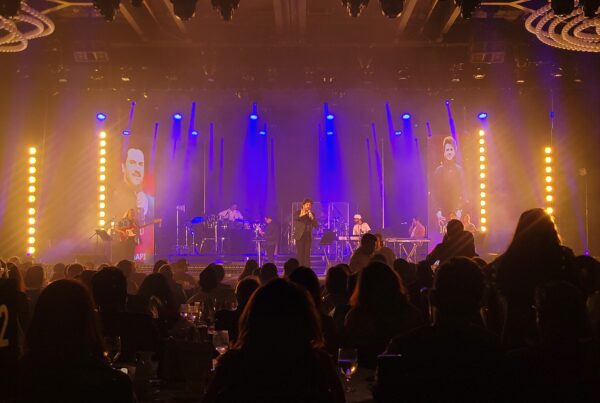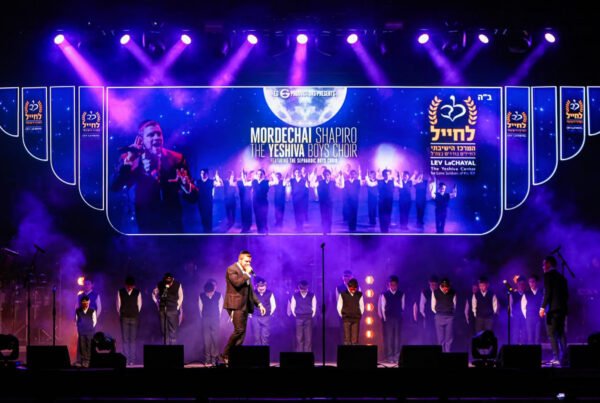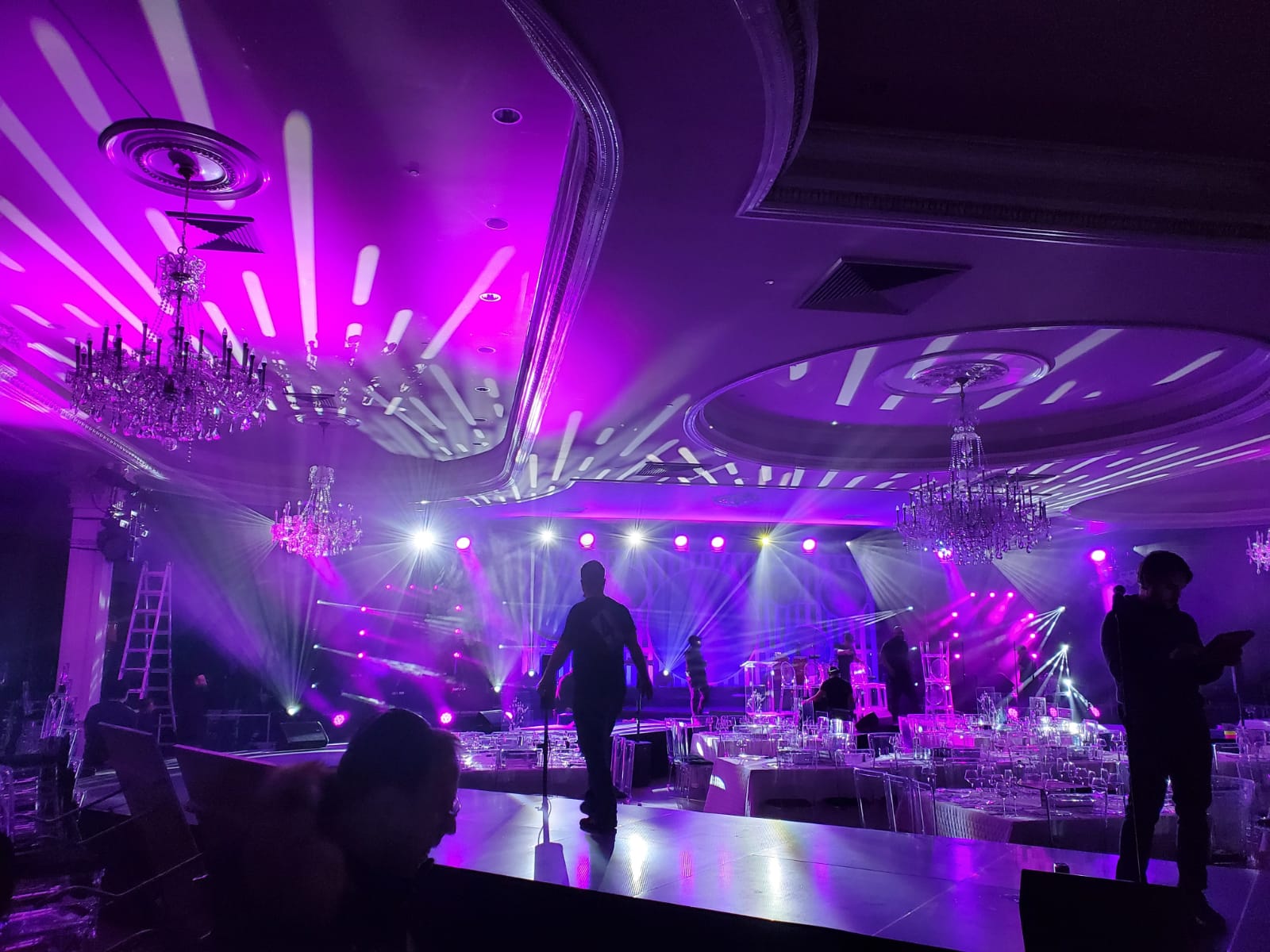
International touring presents unique challenges that domestic productions rarely encounter. When artists cross borders, they bring not only their creative vision but also complex technical requirements that must be adapted to varying local conditions. Successfully hosting international artists requires understanding these complexities and preparing appropriate solutions.
Concert AV equipment specifications vary significantly across regions, reflecting different industry standards, available technologies, and operational practices. Production teams must bridge these differences while maintaining the artistic integrity that artists and audiences expect. This balance demands technical expertise, cultural awareness, and meticulous advance planning.
Understanding Regional Technical Standards
Technical standards differ across the globe in ways that can surprise even experienced professionals. Power systems, signal standards, and equipment specifications all vary by region. Understanding these differences is essential for preparing facilities that can accommodate international productions.
Concert AV equipment designed for North American markets operates on 120-volt, 60-hertz power systems. European and many other regions use 230-volt, 50-hertz systems. This fundamental difference affects not only power connections but also equipment behavior, particularly for devices with motors or timing-sensitive circuits.
Audio connection standards have largely converged around XLR and quarter-inch formats, but video systems show more regional variation. Different countries have adopted various broadcast standards and connector preferences. Frame rates, color encoding, and resolution standards can all differ from what touring equipment expects.
Safety certifications vary by region, with some jurisdictions requiring specific approvals before equipment can be used in public venues. Understanding these requirements well in advance prevents last-minute surprises that can delay productions or require expensive alternatives.
Advance Planning and Rider Review
International productions require extended planning timelines compared to domestic events. Time zone differences, shipping logistics, and visa requirements all add complexity that demands early attention. Beginning advance work months before show dates allows adequate time for addressing unexpected issues.
Concert AV equipment riders from international artists often specify products unfamiliar to local markets. Production managers must determine whether to source these specific items, propose acceptable substitutes, or arrange for touring equipment to travel with the artist. Each approach involves different costs, logistics, and risks.
Communication with touring production teams establishes expectations and identifies potential issues. Video conferences allow detailed technical discussions that email cannot replicate. Building relationships with tour personnel before arrival facilitates smoother on-site collaboration.
Documentation of venue specifications helps touring teams understand local conditions. Detailed technical information about power capacity, rigging capabilities, and available equipment enables informed decisions about what tours should bring versus what can be sourced locally.
Power Management and Distribution
Power presents the most fundamental challenge for international touring equipment. Beyond voltage and frequency differences, power quality varies significantly between regions. Clean, stable power that equipment assumes may not be available in all venues or countries.
Concert AV equipment typically requires isolated technical power to prevent interference from other building systems. Dedicated distribution panels with appropriate circuit breakers and ground fault protection ensure safe operation. Power conditioning equipment can address quality issues in venues with problematic electrical infrastructure.
Transformer systems convert between voltage standards when touring equipment cannot accommodate local power. These conversions must be sized appropriately for expected loads, with safety margins for surge conditions. Monitoring systems track power consumption and alert operators to potential issues.
Backup power systems provide insurance against utility failures. Generator capacity should exceed expected requirements, allowing for inefficiencies and providing headroom for unexpected demands. Automatic transfer switches ensure seamless transitions if primary power fails during performances.
Signal Compatibility and Conversion
Signal compatibility issues extend beyond simple connector differences. Digital audio systems may use different sample rates, word lengths, or clocking schemes. Video systems can differ in resolution, frame rate, colorspace, and signal level standards.
Concert AV equipment interfaces must accommodate various signal formats without introducing artifacts or delays. High-quality conversion equipment ensures that signals maintain integrity through format translations. Testing these conversions before artists arrive identifies issues that can be addressed calmly rather than under performance pressure.
Network protocols have become increasingly important as IP-based systems replace traditional analog and baseband digital connections. Dante, AES67, and similar protocols offer flexibility but require compatible network infrastructure and careful configuration.
Time code and synchronization systems may use different standards that require conversion or translation. SMPTE formats, MIDI time code, and proprietary systems each have characteristics that affect synchronization precision. Understanding these differences helps ensure that complex productions stay in sync.
Cultural and Communication Considerations
Technical preparation is only part of successfully hosting international productions. Cultural awareness and effective communication are equally important for smooth collaborations. Different regions have different expectations about work practices, communication styles, and problem-solving approaches.
Language barriers can complicate technical discussions even when working with bilingual team members. Technical terminology may not translate directly, and assumptions about shared knowledge may be incorrect. Patient, clear communication helps bridge these gaps.
Work schedule expectations vary between cultures. Some touring crews expect continuous access to venues for setup, while others observe strict break periods. Understanding and respecting these differences prevents frustration and conflict during intense production periods.
Building personal relationships facilitates professional collaboration. Taking time to learn about touring team members’ backgrounds and preferences creates goodwill that smooths inevitable technical challenges. Hospitality investments often yield significant returns in cooperation and flexibility.
Documentation and Handoff Procedures
Clear documentation ensures that all parties share common understanding of technical specifications and operational procedures. Written confirmation of equipment specifications, power requirements, and schedule details provides reference points when questions arise during production.
Handoff procedures should clearly establish when responsibility transfers between local and touring teams. Equipment inspection protocols document condition at transfer, protecting both parties from disputes about damage. Clear chains of communication ensure that questions reach appropriate decision-makers quickly.
Post-show debriefings capture lessons learned for future productions. What worked well? What could be improved? These conversations build institutional knowledge that makes subsequent international productions smoother and more successful.
Archive documentation serves future productions involving the same artists or venues. Technical specifications, contact information, and operational notes create valuable resources that reduce preparation time and prevent repetition of past problems.
Emergency Preparedness and Contingencies
International productions face heightened risks from equipment failures because replacement options may be limited. Comprehensive spare inventories, backup systems, and alternative plans address the most likely failure scenarios. Identifying local emergency resources before shows provides options when problems occur.
Insurance requirements for international productions often differ from domestic events. Equipment coverage, liability protection, and cancellation insurance all merit careful review. Understanding policy terms before problems occur prevents surprises during already stressful situations.
Communication plans should address emergency scenarios. Who notifies whom if problems arise? How are decisions made about show modifications or cancellations? Clear authority structures prevent confusion when quick decisions are required.
International touring tests production teams’ technical skills, cultural awareness, and adaptability. Success requires understanding regional differences, planning thoroughly, communicating clearly, and remaining flexible when unexpected challenges arise. Those who master these demands create seamless experiences that audiences never know required extraordinary effort behind the scenes.