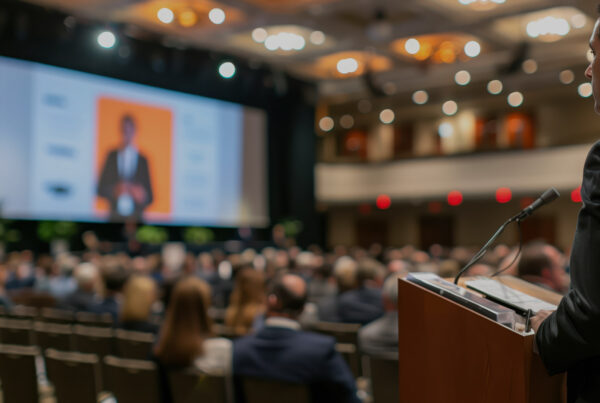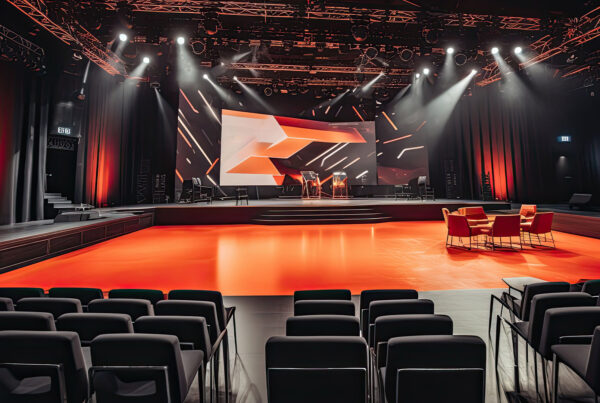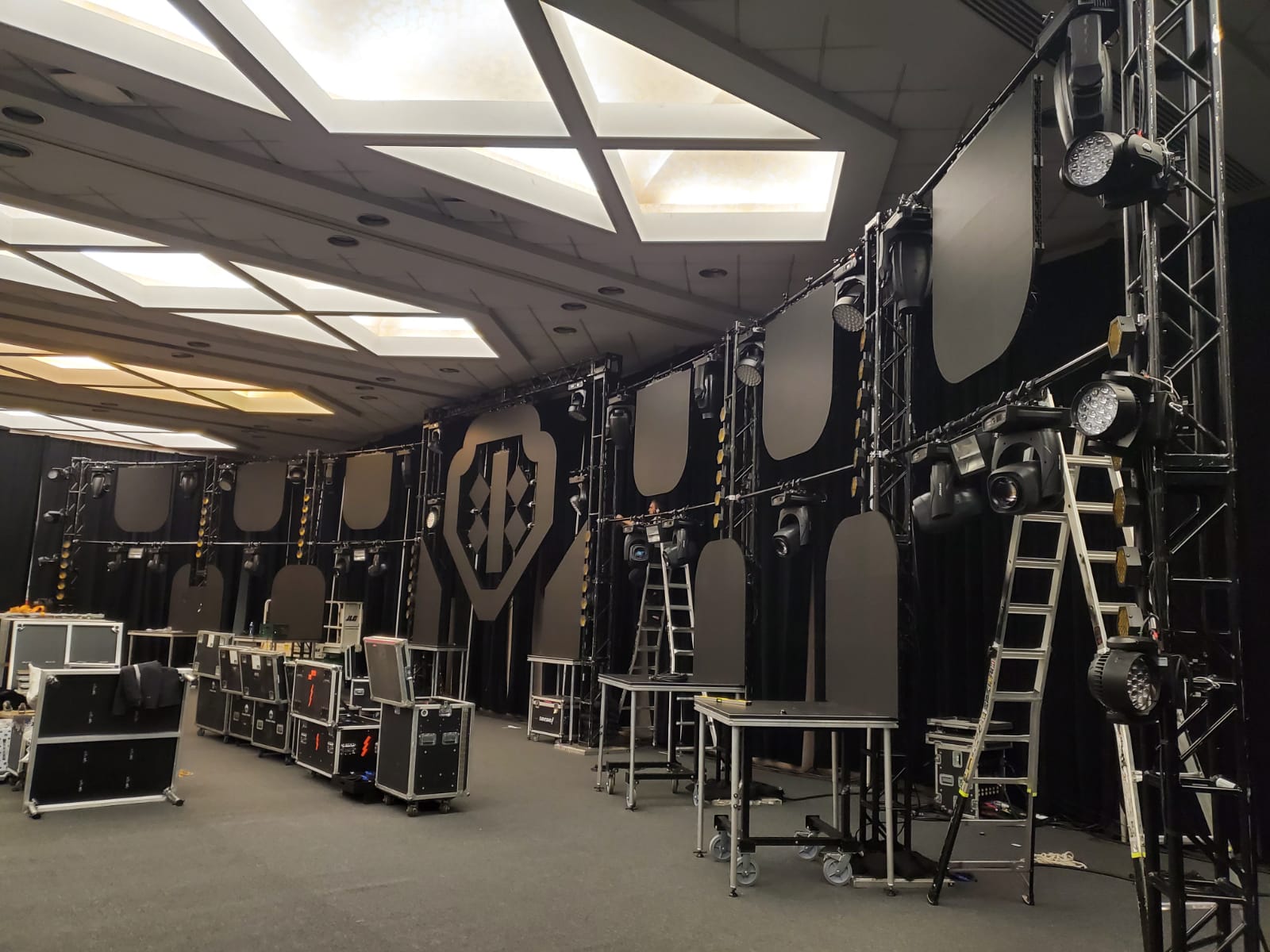
What Are Modular Staging Systems?
Modular Staging Systems are portable, reconfigurable platforms made up of lightweight panels, frames, and support structures. These components can be quickly assembled, disassembled, and adapted to a wide range of event formats, making them perfect for venues of all sizes and types. Unlike traditional fixed stages, these systems allow for rapid changes in layout, height, and design without sacrificing stability or safety.
Why Speed Matters in Event Transitions
In today’s fast-paced event environments, downtime between acts or speakers can diminish audience engagement and reduce the overall experience. Event organizers need staging that allows them to:
- Switch sets quickly
- Move between different venue configurations
- Accommodate last-minute changes
- Save on setup and teardown labor
Modular Staging Systems are designed specifically to address these needs. Each component is engineered for quick locking, easy transportation, and safe support of heavy equipment or performers.
Key Features of Modular Staging Systems
1. Lightweight and Durable Construction
Most platforms are constructed from aluminum or steel frames with plywood or composite decking, providing a high strength-to-weight ratio. This makes it possible to move entire stage sections with minimal labor and effort.
2. Adjustable Heights
Need a lower platform for a speaker session and a higher elevation for a live band? No problem. Modular stages come with telescoping or interchangeable legs, so you can fine-tune the height depending on your event’s specific needs.
3. Interlocking Panels
Quick-connect locking mechanisms make it easy to align and secure each stage panel without special tools. This ensures stability while reducing setup time significantly.
4. Compatible Accessories
From skirting and railings to ramps, stairs, and caster wheels, modular systems are compatible with a wide range of accessories. This enhances both the function and visual appeal of your stage.
Use Cases: Where Modular Staging Systems Excel
Corporate Events and Roadshows
For companies that tour from city to city, modular platforms allow quick setups in ballrooms, lobbies, or expo halls. The same stage can be reused, resized, and refreshed with custom branding panels and backdrops.
Live Concerts and Festivals
Music festivals benefit greatly from modular stages that can be deployed in outdoor or uneven terrain. Some systems offer weather-resistant finishes and anti-slip surfaces, ideal for unpredictable climates and high-traffic usage.
Schools and Theaters
School gyms and auditoriums often double as performance spaces. Portable modular stages allow these multipurpose rooms to be converted quickly and stored compactly after use.
Religious and Community Centers
Multi-use spaces in churches or community halls benefit from flexible staging that can be set up for a service, packed away, and then brought back out for a talent show or town hall meeting.
Benefits of Using Modular Staging Systems
- Speed: Setup and teardown in a fraction of the time.
- Versatility: Reuse the same components for a wide range of events.
- Cost-Effective: Lower labor and storage costs over time.
- Professional Aesthetics: Clean lines, consistent finishes, and easy customization options.
- Safety: Built to meet or exceed local and international safety regulations.
How to Choose the Right Modular Staging System
When investing in a system, consider these factors:
- Weight Capacity: Will it hold heavy AV equipment or vehicles?
- Storage Size: Does it pack flat or fold down for transport?
- Expandability: Can it be scaled up for larger events?
- Warranty and Support: Does the manufacturer provide service and spare parts?
Real-World Example: Music Festival with 4-Stage Rotation
A large music festival in Texas needed to rotate 4 bands per hour across two active stages. With Modular Staging Systems, the production crew created identical off-stage setups that were wheeled into position and locked into place between sets. Transition times dropped from 25 minutes to just 7 minutes per band, giving attendees more music and fewer delays.
Future Trends in Staging Technology
Smart Staging
Bluetooth-enabled lighting, LED-integrated decks, and digital screens are becoming plug-and-play with modern stage systems.
Sustainable Materials
Eco-friendly designs using recycled aluminum, FSC-certified wood, and energy-efficient lighting are increasingly requested by event planners focused on green solutions.
AI-Assisted Stage Layouts
Some platforms now offer software tools that automatically configure stage dimensions and placements based on venue measurements and event type.
Final Thoughts
In the competitive world of live events, efficiency is everything. Modular Staging Systems give event planners, production crews, and organizers the ability to execute flawless transitions without sacrificing safety, professionalism, or creativity. They’re a smart investment not just in hardware, but in smoother shows, happier attendees, and a better overall experience.
Looking for a staging partner that understands your needs? Reach out to our team of professionals for a tailored modular staging solution that works with your timeline, budget, and vision.