Multi-day music festivals represent some of the most complex production challenges in live entertainment. Unlike single-night concerts, festivals must maintain technical excellence across multiple stages over extended periods while managing the demands of dozens of artists with varying production requirements. Success requires meticulous planning, robust systems, and experienced crews who can adapt to evolving circumstances.
Music festivals AV rental encompasses an enormous scope of equipment and services. From main stage systems rivaling arena productions to intimate acoustic stages requiring minimal amplification, festival production teams must balance diverse needs within coordinated technical frameworks. Understanding these complexities is essential for anyone involved in festival production.
Establishing Technical Infrastructure
Festival infrastructure begins long before artists arrive. Power distribution, network systems, and communication platforms create foundations upon which all technical departments depend. Planning these elements requires careful analysis of site layouts, load requirements, and contingency needs.
Electrical infrastructure for music festivals AV rental must accommodate enormous power demands. Main stages alone can require hundreds of kilowatts for audio and lighting systems. Distribution networks must provide clean, stable power while maintaining isolation between sensitive audio equipment and noise-generating lighting fixtures.
Data networks have become as critical as power systems. IP-based audio distribution, video streaming, and control systems all depend on reliable network infrastructure. Redundant pathways and backup systems ensure that network failures don’t cascade into production disasters.
Communication systems connect production teams across sprawling festival sites. Radio networks, intercom systems, and backup communication channels keep everyone coordinated. Clear protocols establish who communicates with whom, preventing confusion during busy changeovers.
Main Stage Production Requirements
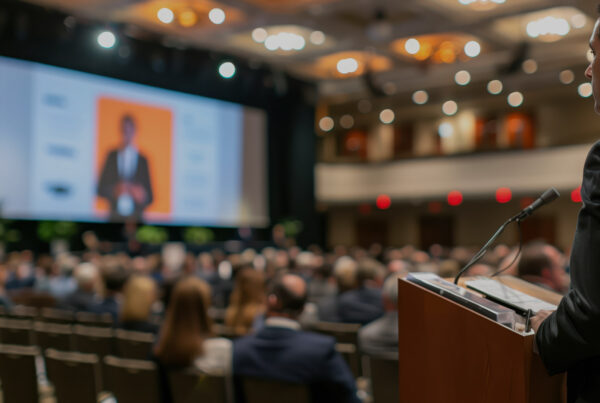
Main stages represent festivals’ technical flagships, showcasing premium production values for headline acts. These stages require comprehensive audio systems capable of covering large audiences with pristine sound quality, extensive lighting rigs enabling complex visual designs, and video systems bringing performances to distant viewers.
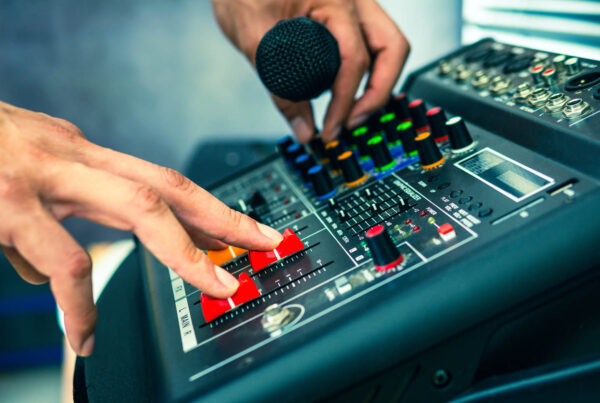
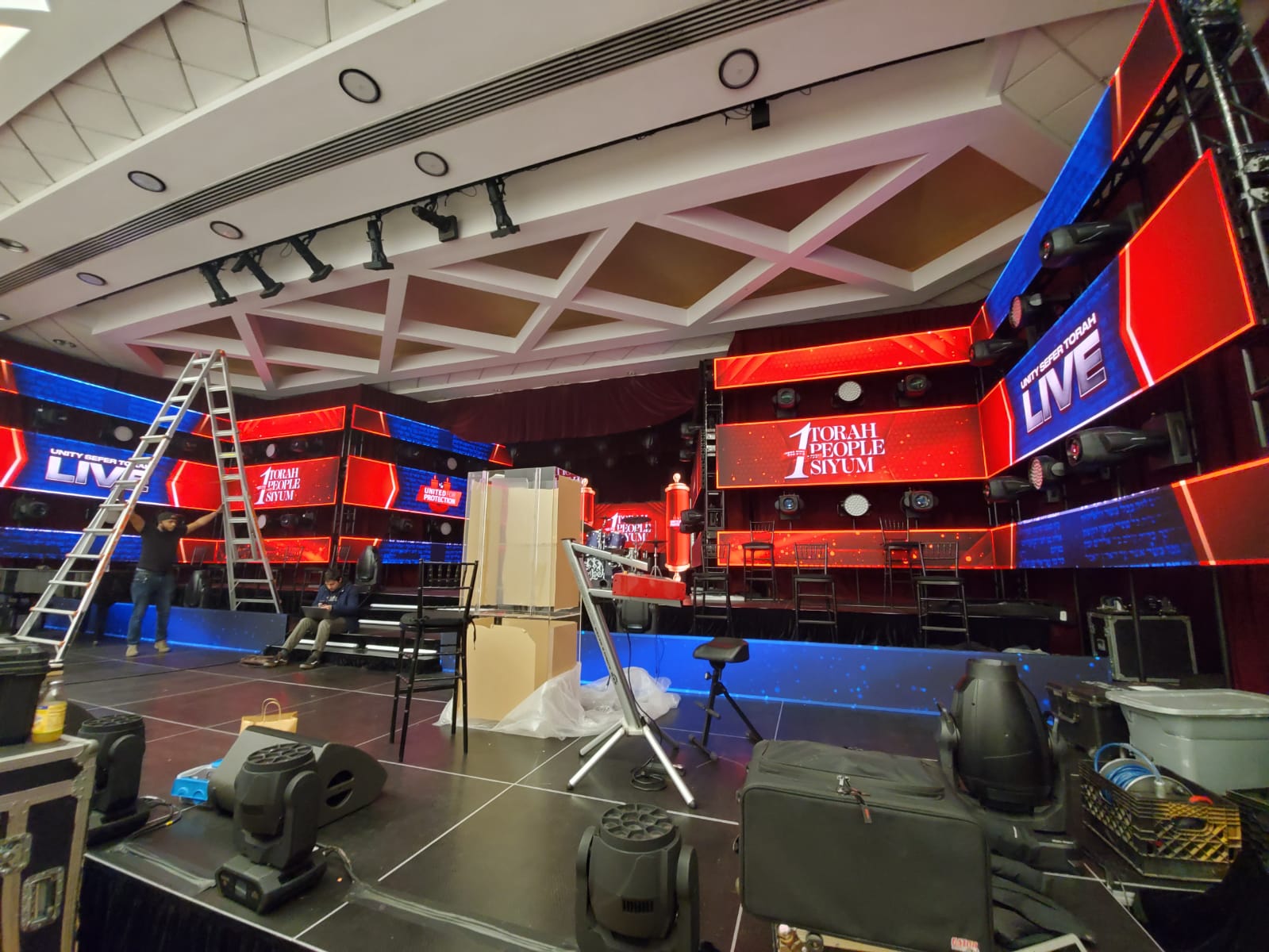
Music festivals AV rental for main stages typically includes line array speaker systems, multiple lighting positions with intelligent fixtures, LED video walls, and comprehensive monitoring systems. Equipment specifications must accommodate the most demanding riders while remaining flexible enough for diverse artistic requirements.
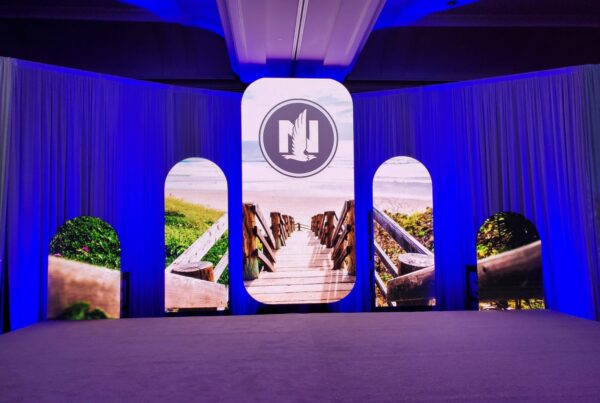
Stage design balances technical capabilities with artistic expression. Structural elements must support substantial equipment loads while creating visually distinctive environments. Weather protection for outdoor installations adds complexity, requiring designs that shield equipment without compromising aesthetics.
Changeover logistics are crucial for maintaining performance schedules. Equipment positions must allow rapid reconfiguration between acts. Backline and monitoring systems require careful planning to minimize transition times while meeting each artist’s specifications.
Secondary Stage Considerations
Secondary stages often outnumber main stages but receive less planning attention. These stages serve emerging artists and genre-specific programming, requiring appropriate production values without main stage complexity. Finding the right balance between capability and efficiency is essential.
Music festivals AV rental packages for secondary stages prioritize flexibility and reliability over maximum specifications. Compact speaker systems that deliver adequate coverage for smaller audiences reduce costs while maintaining quality standards. Simplified lighting designs focus on essential effects rather than comprehensive capabilities.
Technical staffing for secondary stages must balance expertise with budget constraints. Experienced operators can maximize limited equipment inventories, creating impressive results from modest resources. Cross-training allows staff members to support multiple stages as schedules demand.
Sound isolation between adjacent stages requires careful planning. Stage orientations, barrier structures, and scheduling coordination minimize interference between simultaneous performances. Technical specifications may limit low-frequency output from stages near neighbors.
Artist Rider Management
Artist riders specify technical requirements for each performance. Managing these documents across dozens or hundreds of acts requires systematic approaches that identify common elements, flag unusual requests, and communicate capabilities clearly. Advance coordination prevents day-of-show surprises that can derail tight schedules.
Production managers review riders early in planning processes, identifying equipment needs that influence rental specifications. Common requirements like specific microphones, standard backline items, and typical monitoring configurations inform baseline inventory decisions.
Unusual rider requests require individual evaluation. Some can be accommodated with minor additions to standard packages, while others may require rental of specialty items. Clear communication with artist representatives establishes what’s possible within festival contexts.
Rider databases track confirmed specifications, special arrangements, and outstanding questions. These living documents evolve throughout planning processes, ultimately becoming production bibles that guide day-of-show operations. Regular updates ensure all stakeholders work from current information.
Weather and Environmental Challenges
Outdoor festivals face weather uncertainties that can dramatically impact production operations. Rain, wind, extreme temperatures, and dust all threaten equipment and operations. Comprehensive planning addresses both prevention and response protocols for various weather scenarios.
Music festivals AV rental agreements should clarify equipment protection requirements and responsibilities. Weather covers, elevated positioning, and sealed enclosures protect sensitive electronics from moisture. Emergency procedures establish safe shutdown protocols when conditions exceed acceptable parameters.
Wind loading calculations determine structural safety limits. Stage roofs and hanging equipment must withstand anticipated wind speeds with appropriate safety margins. Real-time monitoring triggers alerts when conditions approach thresholds requiring action.
Temperature extremes affect equipment performance and crew safety. Electronics may malfunction in extreme heat, while cold can impact battery life and display performance. Shade structures, climate control, and crew rotation schedules address these challenges.
Crew Management and Scheduling
Multi-day events demand careful crew scheduling to maintain performance while preventing burnout. Labor laws, union agreements, and simple human limitations constrain how many hours individuals can work effectively. Proper staffing ensures fresh crews are available for critical moments.
Crew manifests for AV rental projects categorize personnel by specialization and certification. Audio engineers, lighting programmers, video technicians, and stagehands each bring specific skills. Understanding these distinctions helps allocate resources effectively.
Shift scheduling balances coverage requirements with rest periods. Critical positions require overlap to ensure smooth handoffs between shifts. Documentation of system states and ongoing issues facilitates continuity across shift changes.
Crew amenities affect performance and morale over extended events. Rest areas, catering access, and reasonable working conditions are investments in production quality. Well-rested, comfortable crews make better decisions and work more efficiently than exhausted teams.
Logistics and Equipment Flow
Equipment logistics for multi-day festivals involve massive coordination challenges. Trucks must be unloaded in efficient sequences, equipment staged for deployment, and spares accessible for rapid replacement. Site layouts should facilitate these movements while minimizing conflicts with other activities.
Inventory management tracks equipment locations throughout events. Barcode or RFID systems can monitor individual items, while digital databases record deployments, transfers, and returns. This visibility prevents losses and supports troubleshooting when issues arise.
Load-in schedules prioritize infrastructure installation before performance equipment. Power and network systems must be operational before audio and lighting teams can begin their work. Careful sequencing prevents bottlenecks that can cascade into schedule delays.
Strike planning receives less attention than load-in but is equally important. Efficient de-rigging, proper packing, and organized loading protect equipment and prepare inventory for subsequent events. Post-festival maintenance identifies damage requiring repair before next deployment.
Quality Control and Consistency
Maintaining consistent quality across multiple stages and days requires systematic approaches. Daily sound checks verify system performance before audiences arrive. Visual inspections catch physical issues before they become performance problems.
On-site technical representatives who can address issues quickly provide essential support. Direct access to manufacturers’ expertise helps resolve complex problems that local crews may lack experience to diagnose.
Documentation of each day’s operations informs continuous improvement. Issues encountered, solutions implemented, and suggestions for future events create institutional knowledge that makes subsequent festivals more successful. This learning process distinguishes excellent festival producers from merely adequate ones.
Festival production represents live entertainment’s ultimate challenge, combining the complexity of multiple simultaneous productions with extended operational periods and environmental uncertainties. Success requires comprehensive planning, quality equipment, skilled personnel, and the flexibility to adapt when conditions change. Those who master these demands create experiences that define summer memories for millions of attendees.