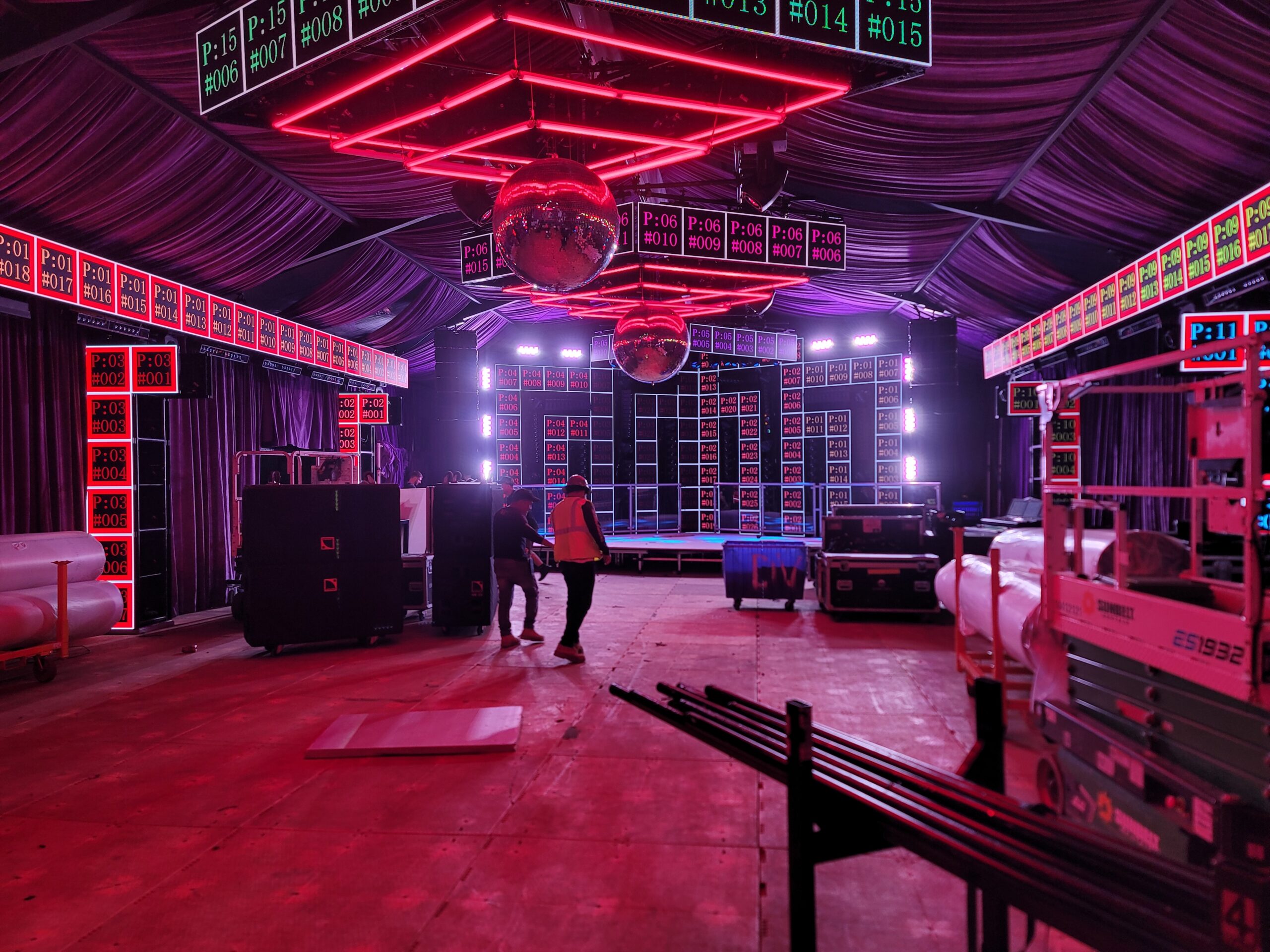
The lighting designer sat in front of Vectorworks, manipulating virtual fixtures in a precise 3D model of the venue. She adjusted positions, aimed beams, and rendered views showing exactly how her design would appear from various audience positions all before any physical equipment was loaded. This previsualization process has transformed lighting design from on-site experimentation into precision engineering, enabling designs that work correctly the first time rather than requiring extensive adjustment during limited load-in periods.
The Evolution of Lighting Previsualization
Before previsualization software, lighting designers worked primarily from intuition and experience, with actual results visible only after fixtures were hung, focused, and programmed. Pre-viz tools emerged in the 1990s with products like WYSIWYG (What You See Is What You Get), enabling virtual visualization that revolutionized the profession. Current tools including Vectorworks Spotlight, MA 3D, Capture, and Depence² provide sophisticated visualization that approaches photorealistic accuracy.
Virtual programming extends previsualization beyond static visualization into dynamic show creation. Connecting visualization software to lighting consoles like GrandMA3 or ETC EOS enables programming cues against virtual fixtures that respond exactly as physical fixtures will. Designers can program complete shows offline, refining timing and looks without requiring venue access or equipment setup. When physical production begins, programming transfers directly—fixtures execute pre-programmed cues without starting from scratch.
Design Workflow Integration
Accurate venue modeling forms the foundation of useful previsualization. Models must reflect actual venue dimensions, rigging positions, architectural features, and scenic elements that affect lighting. Point cloud scans and photogrammetry capture existing venues with precision; CAD files from venue management provide authoritative dimensional data. The modeling investment enables all subsequent visualization work—inaccurate models produce unreliable previews that create problems rather than preventing them.
Client presentation benefits enormously from previsualization capability. Rather than describing intended looks verbally, designers can show clients exactly what they’ll see. Rendered images and animated sequences communicate design intent unambiguously, enabling informed approval before resources commit to physical production. This communication clarity prevents the expensive revisions that result from misunderstood descriptions—clients know exactly what they’re approving because they’ve seen it virtually.
Production Efficiency Gains
Fixture positioning accuracy from previsualization reduces on-site adjustment time dramatically. When virtual positions translate accurately to physical rigging plots, fixtures hang in correct locations without trial and error. Focus points determined virtually correspond to actual stage positions; beam spreads calculated virtually provide intended coverage. This precision accelerates focus sessions from hours of experimentation to verification of predetermined positions.
Programming time savings compound efficiency gains. A show programmed offline requires only verification and adjustment on-site rather than creation from scratch. Complex timing sequences perfected virtually execute correctly the first time; color palettes designed against accurate models require minimal refinement. The shift from on-site creation to on-site verification transforms production schedules, enabling more ambitious designs within unchanged timelines.
Previsualization has matured from optional enhancement to essential workflow component for professional lighting design. The investment in software, modeling capability, and workflow development pays dividends in design accuracy, client communication, and production efficiency that manual methods cannot match. Designers who master previsualization tools deliver better results in less time—a competitive advantage that defines contemporary professional practice.