The spotlight exists to illuminate performers, drawing audience attention to designated focal points through concentrated luminance. This elegant function occasionally experiences targeting errors that redirect theatrical illumination toward unexpected recipients—audience members suddenly finding themselves the center of attention, crew positions exposed in brilliant light, or empty spaces receiving the star treatment while actual performers work in relative darkness. These misdirected followspot moments create memorable production incidents that audiences remember long after forgetting the intended content.
The Anatomy of Misdirected Illumination
Followspot operation involves human operators tracking performers through viewfinder systems while managing iris, color, and intensity controls. The Robert Juliat Cyrano and Lycian 1293 represent professional instruments demanding operator skill developed through extensive practice. Yet even experienced operators lose targets, misidentify performers in matching costumes, or receive confusing cues that result in illuminating precisely the wrong person at precisely the wrong moment.
The theatrical tradition of spotlight pickup cues creates particular vulnerability. Performers entering dark stages depend on spot operators identifying their position and bringing up illumination as they begin their moment. A performer delayed in their entrance leaves the spotlight operator searching an empty area while the actual subject stands in darkness wondering why their carefully rehearsed entrance has become an exercise in invisibility. The beam finds wrong targets while seeking the right one.
Remote Followspot System Complications
The emergence of remote followspot technology has introduced new categories of targeting failures. The Robe RoboSpot system enables operators to control moving head fixtures from comfortable ground positions via video feeds—eliminating the traditional balcony perch while introducing video latency that affects tracking precision. The delay between operator input and fixture response creates targeting errors during fast-moving sequences.
The PRG GroundControl and similar systems add automation capabilities that compound potential for misdirection. Pre-programmed motion paths and position presets can send fixtures to wrong locations if performer blocking changes between programming and performance. The spotlight arrives at its programmed position with mechanical precision, illuminating the spot where the performer was supposed to stand rather than where they actually stand creating moments of conspicuous emptiness under brilliant light.
Historical Spotlight Misadventures
The history of theatrical lighting includes legendary targeting failures. Before electrical spotlights, limelight operators in the 1820s managed volatile oxyhydrogen flames while tracking performers a demanding combination that occasionally produced dramatic misdirections. The phrase ‘in the limelight’ emerged from this era, though being in the wrong limelight created different career implications than intended.
The carbon arc spotlights dominating early 20th century theater required constant attention to electrode adjustment while tracking performers. Operators balancing these demands sometimes prioritized arc maintenance over targeting precision, creating moments where audience members received theatrical illumination while performers worked in the spill. The Strong Super Trouper and later xenon-based systems eliminated electrode management while preserving human targeting variability.
Communication Breakdowns and Cueing Confusion
Spotlight targeting depends on clear communication protocols between stage management, followspot callers, and operators. The Clear-Com intercom systems connecting these positions transmit verbal cues that assume shared vocabulary and spatial orientation. ‘Pick up downstage left’ becomes problematic when operator and caller use different stage direction conventions the performer-facing tradition versus house-facing orientation creating confusion that sends spots to opposite locations.
Touring productions face particular challenges when local followspot operators unfamiliar with show specifics work from cue sheets developed for operators who attended full rehearsals. The abbreviated terminology that communicates perfectly to informed operators becomes ambiguous to newcomers. ‘Spot 2 to Jane at piano’ requires knowing which performer is Jane and which of the stage’s three pianos is the relevant one information that missing context makes impossible to deduce under performance pressure.
The Audience Member as Unwitting Star
Perhaps the most memorable targeting errors involve audience members suddenly finding themselves under theatrical illumination. The spotlight searching for a performer entering through house position might pause on a patron with similar clothing or positioning. The resulting moment transforms passive spectator into unwilling participant, creating awkwardness that ripples through surrounding audience members. The spotlight operator’s eventual correction leaves behind an audience member permanently altered by their unexpected theatrical debut.
Corporate events present particular vulnerability to audience-targeting incidents. The executive presentation requiring followspot coverage assumes the spotlight operator can distinguish the CEO from other suited figures in the audience. Similar attire, unexpected movements from non-featured executives, and inadequate pre-show briefings create scenarios where the spotlight illuminates the wrong corporate figure a targeting error with potentially significant interpersonal implications in hierarchical organizations.
Moving Light Targeting in Concert Production
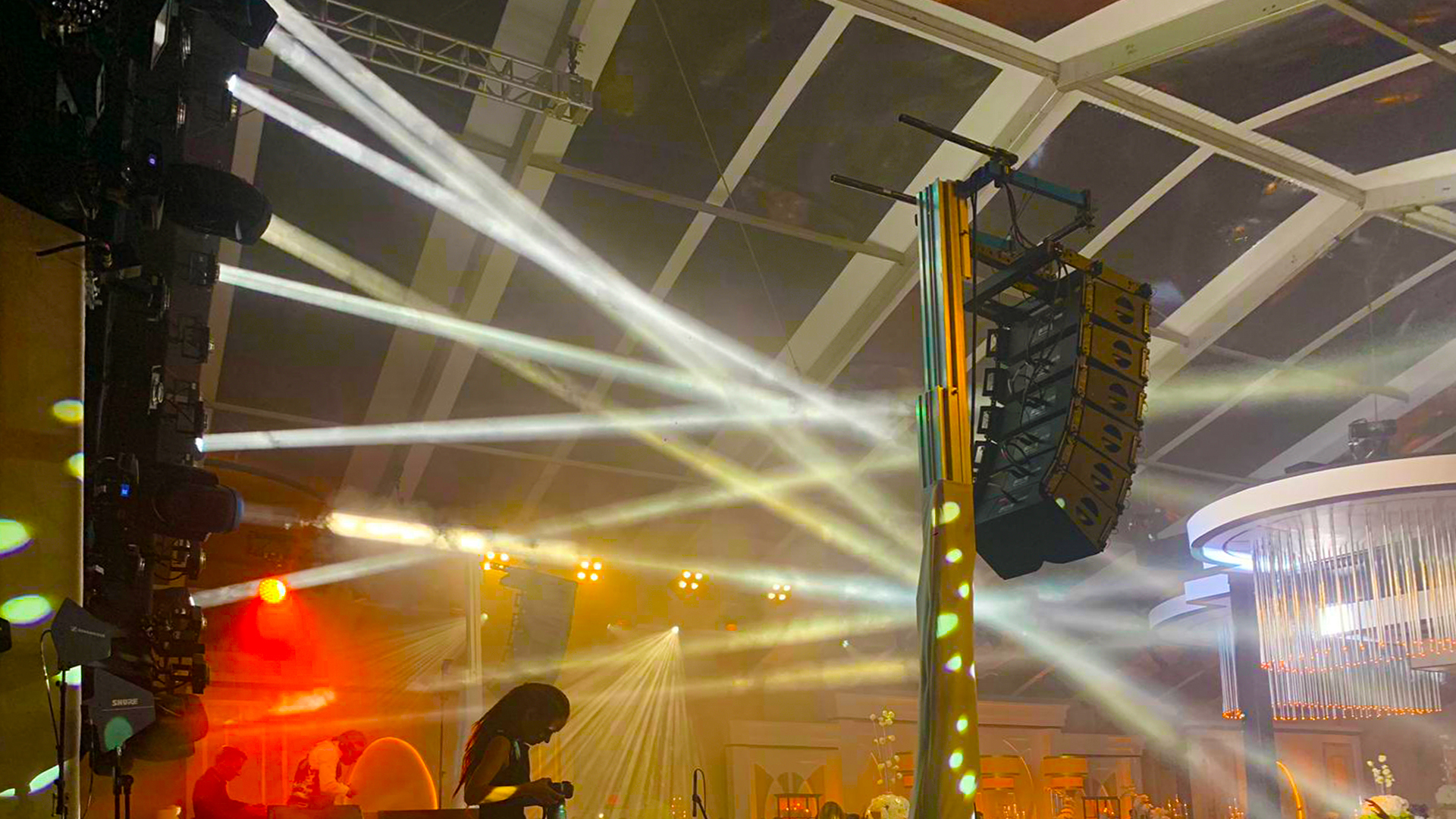
Modern concert production increasingly uses moving head fixtures for spot-like functions previously reserved for traditional followspots. The Robe ESPRITE and Martin MAC Ultra Performance provide powerful output suitable for key light applications, programmed to hit marks where performers are expected to position themselves. When performers deviate from blocking, these automated ‘spots’ illuminate empty stage positions with precision that emphasizes the targeting failure.
The busking workflows common in live music production enable lighting operators to redirect fixtures in real-time, but the hand-eye coordination required to track performers through console encoders differs fundamentally from traditional followspot operation. The grandMA3 and Avolites Titan platforms provide sophisticated control, but encoding pan-tilt positions from console position creates different tracking dynamics than viewfinder-guided traditional operation. Targeting errors emerge from these different skill requirements.
Recovery Strategies for Misdirected Spots
Professional operators develop recovery techniques for targeting errors. The smooth, unhurried pan that finds the correct target appears more controlled than frantic searching movements. Momentary intensity reduction during target acquisition prevents the audience from witnessing full-brightness beam wandering across stage and house. The practiced operator acknowledges errors internally while projecting external confidence that minimizes audience awareness of the mistake.
Production protocols can minimize targeting error consequences. Backup coverage plans using automated fixtures positioned to illuminate critical areas provide safety net when followspot targeting fails. Clear verbal standby and go sequences give operators maximum preparation time before critical pickups. Performer-mounted infrared beacons or tracking systems like those from Zactrack can automate position data, reducing human targeting error while introducing technological dependencies.
The Philosophical Acceptance of Targeting Variation
The spotlight that targets wrong audience represents live production’s human element expressing itself visibly. Automated systems might achieve more consistent targeting, but they lack the adaptability that human operators bring to dynamic performance conditions. The operator who occasionally illuminates wrong targets also possesses judgment that enables creative response to unexpected situations following a performer through unplanned blocking that automated systems couldn’t accommodate.
These targeting moments become part of production lore, remembered and retold long after technical perfection would have been forgotten. The audience member unexpectedly illuminated, the crew position briefly exposed, the empty spotlight waiting for an entrance these moments humanize productions in ways that flawless execution cannot. The spotlight that finds wrong targets reminds everyone that live entertainment involves real people making real decisions in real time, with all the beautiful imperfection that implies.