When Your Video Wall Decides Corporate Branding Is Optional and Abstract Art Is Mandatory
The Moment Reality Fractured on Screen
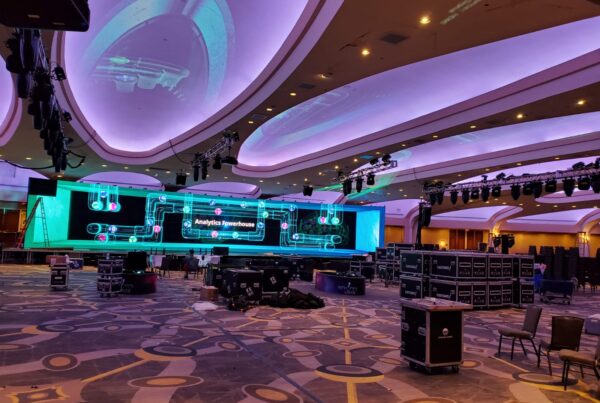
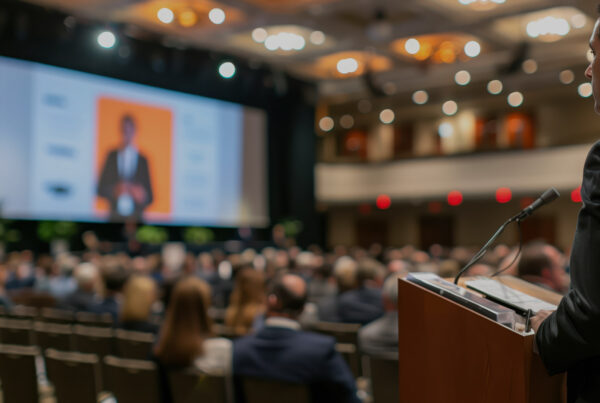
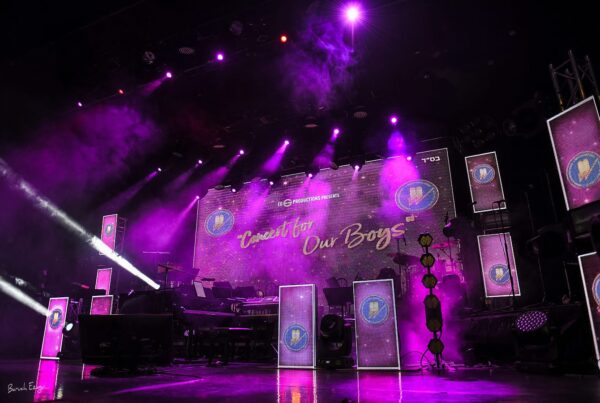
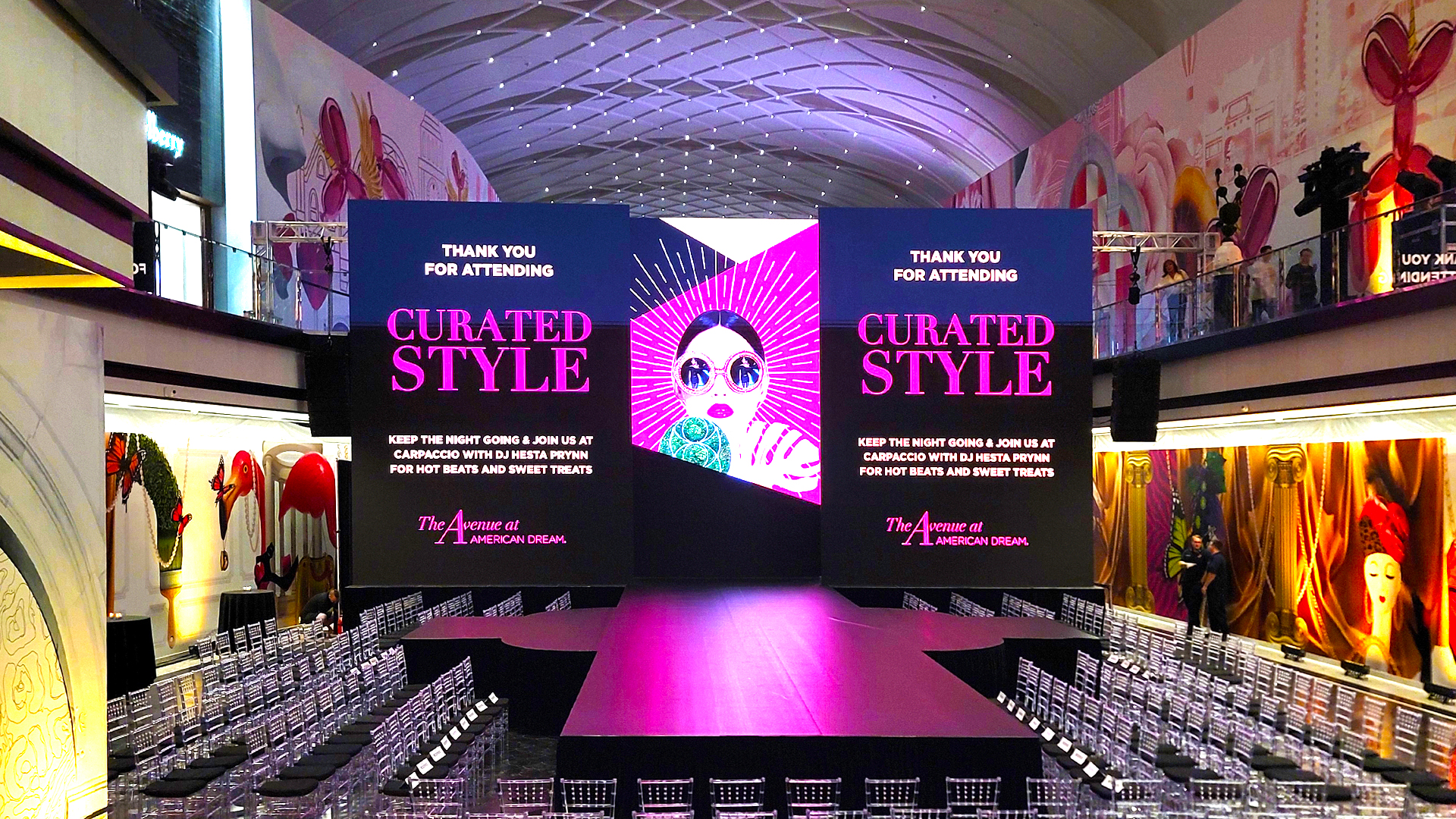
The CEO stood at the podium, confidence radiating from every practiced gesture, while behind them a 30-foot ROE Visual Black Pearl LED wall displayed something that bore no resemblance to the carefully approved corporate presentation. Where the annual revenue graph should have appeared, the assembled shareholders witnessed what appeared to be footage from a 1970s television test pattern crossed with a fever dream involving the company logo stretched into impossible geometries.
The video engineering team in the back of the room experienced the particular horror of watching their Brompton Technology processors interpret pixel data in ways that violated both corporate brand guidelines and several laws of visual physics. The LED wall hadn’t failed—it was working perfectly, just displaying content from what could only be described as a parallel universe where design principles had evolved very differently.
Understanding the Signal Path to Madness
The journey from content source to LED panel involves numerous points where reality can diverge. Your disguise media server might output perfect 4K content, but that content traverses SDI distribution amplifiers, fiber converters, LED processors, and countless connectors before reaching the panels themselves. Each transition offers opportunities for creative interpretation.
The Novastar MCTRL4K processor receiving your signal must correctly identify resolution, color space, and refresh rate—mismatches at any parameter create the visual chaos that keeps LED technicians awake at night. The industry’s migration toward higher frame rates and HDR content has multiplied these potential failure points exponentially.
Historical LED Wall Hallucinations
The history of LED video wall failures parallels the technology’s evolution. The early Barco MiStrip and Element Labs Versa TUBE systems of the 2000s were notorious for developing ‘creative differences’ with their content sources mid-show. The 2009 MTV Video Music Awards featured a memorable moment where an entire backdrop displayed scrambled pixels during a performance—officially blamed on ‘signal timing issues’ but widely understood as the equipment expressing aesthetic disagreement.
The transition from analog to digital signal distribution eliminated some problems while creating others. The old composite video connections degraded gracefully—you knew something was wrong when colors shifted. Modern 12G-SDI connections either work perfectly or fail catastrophically, transforming expected content into digital abstract expressionism without warning.
The Resolution Mismatch Disaster
Perhaps no technical specification causes more LED wall anomalies than resolution mismatches. Your content designer created assets at 1920×1080, but the actual LED wall pixel mapping requires 1920×540 due to the physical panel arrangement. The Resolume Arena software happily scales the content, creating either stretched distortion or black borders depending on scaling method selection.
The Absen PL series panels configured as your main display might have different native resolutions than the Unilumin Upad panels forming side screens. When your video playback system treats them as a single canvas without proper edge blending and resolution mapping, the results resemble what happens when parallel dimensions briefly overlap.
Practical Prevention for Pixel Rebellion
The foundation of LED wall reliability begins with comprehensive signal path documentation. Every connection from source to panel should be mapped, labeled, and tested before content enters the workflow. The Phabrix QxL signal analyzer can verify that what leaves your media server actually matches what arrives at your processors—discrepancies caught here prevent on-stage surprises.
Standardize color space settings across your entire workflow. The Rec. 709 color space remains the safest choice for most corporate and entertainment applications. When your 7thSense Delta media server outputs Rec. 709 but your Colorlight processor expects Rec. 2020, the resulting color shifts create content that looks professionally designed—for an entirely different production.
The Frame Rate Synchronization Challenge
Modern LED panels operate at refresh rates far exceeding traditional video standards, creating synchronization challenges that earlier technologies never faced. Your ROE Visual Carbon CB5 panels refreshing at 3840Hz receive content from a server outputting at 60Hz—the frame multiplication required for matching can introduce artifacts that appear as ghosting, tearing, or the dreaded ‘scan line’ visible to cameras.
The genlock synchronization that broadcast professionals take for granted becomes critical for LED wall deployments. When your camera shutter speed doesn’t align with panel refresh rates, the captured image shows horizontal bands that don’t exist to human eyes. The Brompton Tessera SX40 processors include sophisticated ShutterSync technology specifically to prevent camera-visible refresh artifacts.
When Processors Lose Their Minds
The LED processor sits between your content and your panels, translating video signals into the precise data streams each panel requires. When processors experience firmware glitches or configuration corruption, the translation becomes more interpretation than reproduction. The NovaStar VX series processors are remarkably reliable, but even reliable equipment can develop opinions about content it considers suboptimal.
Maintain backup processor configurations saved to external storage. When your primary configuration spontaneously develops ‘creative enhancements,’ loading a known-good backup restores sanity faster than troubleshooting what went wrong. The Brompton Tessera software includes comprehensive backup and restore functionality—use it religiously.
The Panel Mapping Confusion
Complex LED wall configurations require pixel-perfect panel mapping that tells processors exactly which data goes to which physical location. When a single panel’s mapping data becomes corrupted, that panel displays content intended for elsewhere—creating the disconcerting effect of a portion of your video wall showing a completely different reality than its neighbors.
The cabinet ID system used by manufacturers like INFiLED and Leyard assigns unique addresses to each panel, but physical reconfiguration for different events can create address conflicts. That panel displaying yesterday’s logo in today’s keynote probably still thinks it belongs to a different wall configuration.
Emergency Response for Visual Hallucinations
When your LED wall begins displaying alternate realities, systematic troubleshooting trumps panic. Start by bypassing everything between source and processor—direct SDI connections eliminate variables. If content appears correctly at the processor’s test output, the problem lies downstream in panel data distribution or the panels themselves.
The disguise Designer software and similar media server platforms include test pattern generators that output known content—solid colors, gradients, and alignment grids that reveal exactly where your signal path diverges from reality. When the blue screen shows purple on panels 15 through 20, you’ve isolated the problem to those specific cabinets or their data connections.
Documentation That Prevents Parallel Universes
Every LED wall deployment should generate comprehensive documentation including panel serial numbers, physical positions, data port assignments, and processor configuration files. The Brompton Tessera system maintains detailed logs that, when properly archived, allow recreation of exact configurations weeks or months later.
Photograph your data cabling before striking each show. When the same wall displays correctly at one venue and shows alternate dimensions at the next, those photos reveal whether cable routing changed. Your LED wall didn’t develop consciousness between gigs—someone reconnected data cables in different order, and now row three believes it’s row seven. The documentation proves what memory forgets.