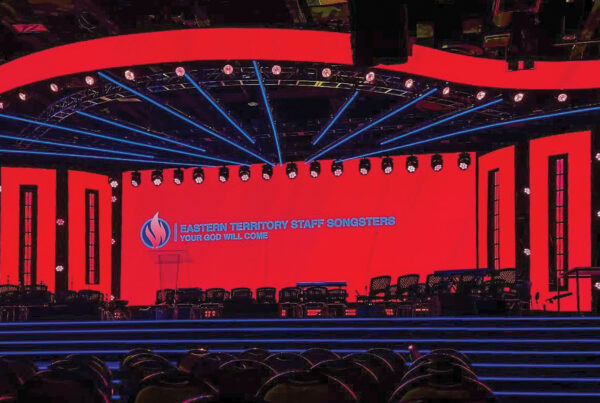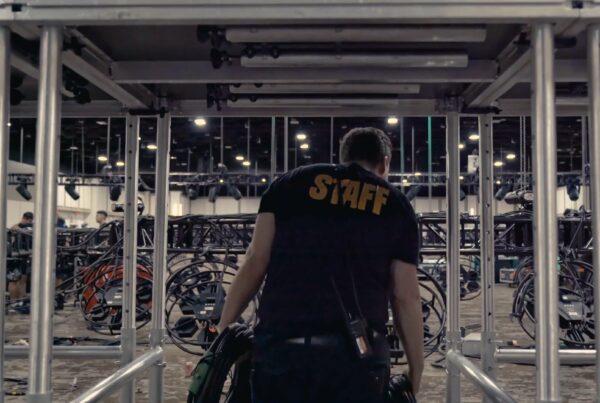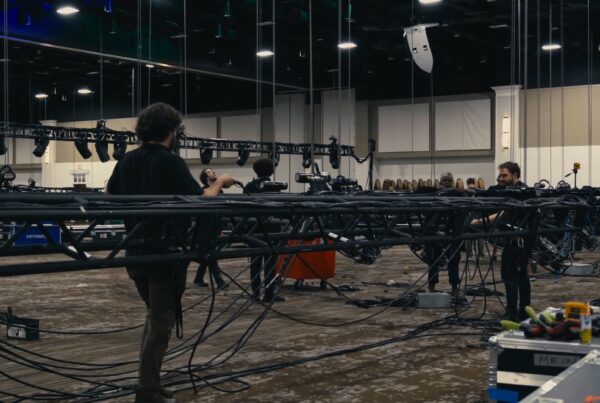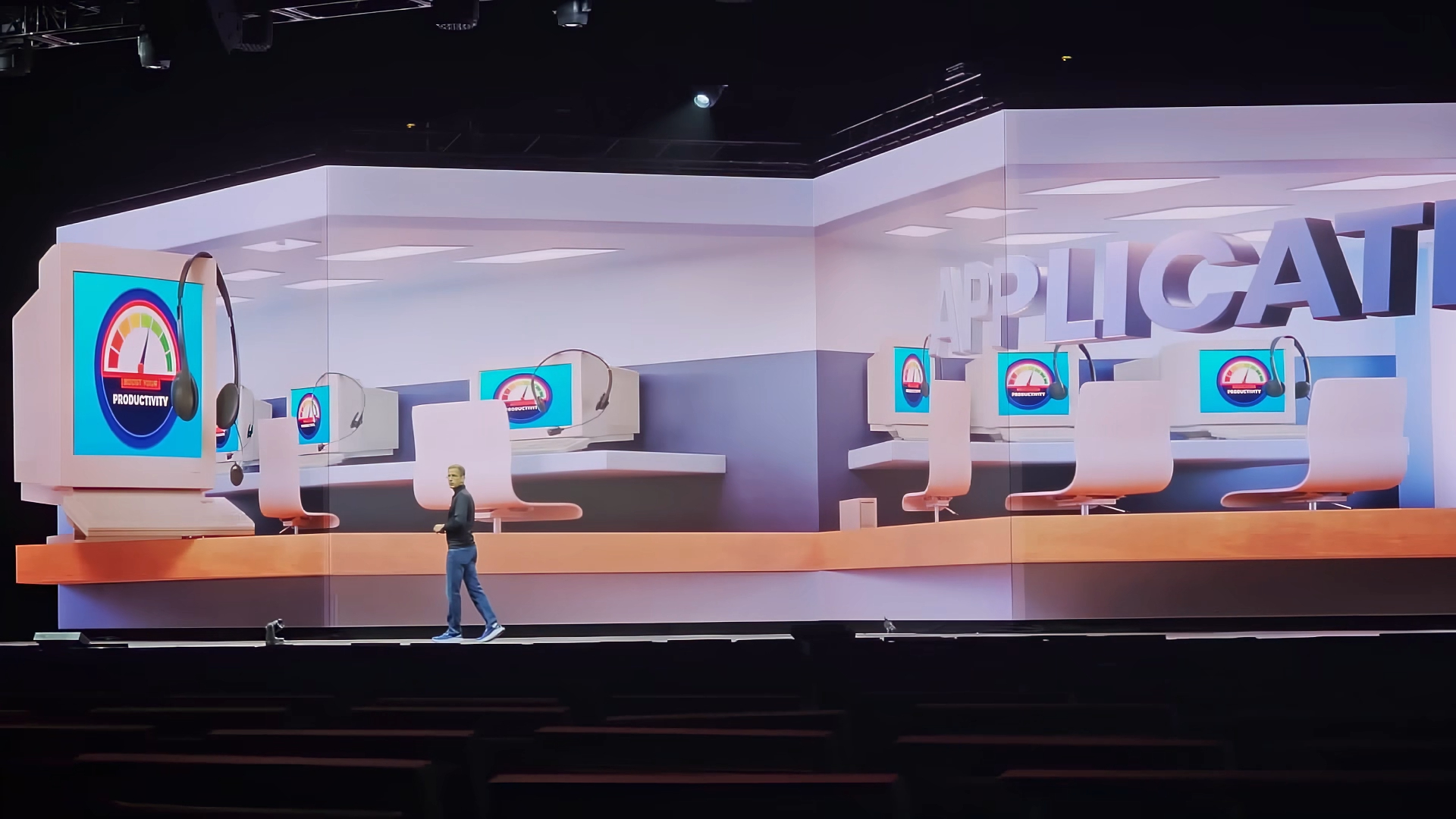
A touring LED wall is, by the standards of display technology, being abused on a nightly basis. It is loaded and unloaded, vibrated in a truck for eight hours, exposed to extreme temperature swings, stacked in flight cases that compress its connectors, and asked to perform at broadcast quality night after night without downtime. LED tile maintenance on long tours is not a reactive exercise — it is a proactive system that the best touring video companies execute with near-clinical discipline.
The Daily Inspection Protocol
Every professional touring video crew should execute a standardized tile inspection sequence during load-in, before the wall is assembled. This inspection covers pixel checking using a dedicated white, red, green, and blue full-field test pattern displayed via the media server — typically Disguise or Notch-driven content from a Green Hippo Hippotizer — to identify dead pixels, line faults, and color shift anomalies. Any tile showing greater than three adjacent dead pixels, or displaying color temperature deviation visible to the naked eye, is flagged for replacement before the wall is signed off.
Connector Care and Harness Management
The most common failure mode in touring LED systems is connector degradation — particularly in the high-density power and signal harnesses that daisy-chain tiles within a panel cabinet. Molex, Neutrik, and proprietary manufacturer connectors all suffer from the same problem: repeated mating and unmating cycles cause gold contact wear, while road vibration causes micro-movement that erodes the connector body over time. Best practice involves inspecting all power and data connectors under a magnifying loupe every ten show cycles, applying a thin film of Caig DeoxIT D5 contact preservative spray to signal connectors at the same interval, and retiring any connector showing visible contact wear rather than attempting field repair.
Thermal Management During Load-In
Temperature differential is an LED tile’s enemy. Tiles loaded into a cold truck overnight and then brought into a warm venue should acclimatize for a minimum of 45 minutes before power is applied — a practice known as thermal normalization. Powering cold tiles immediately exposes the ceramic substrate and solder joints to rapid thermal expansion stress, which accelerates micro-crack formation in the driver ICs and reduces tile lifespan dramatically. The ROE Visual and Absen field service manuals both specify this warm-up period, yet it is routinely skipped by crews under schedule pressure.
Spare Tile Management and Documentation
Every touring LED rig should carry a spare tile inventory of at minimum five percent of the total installed tile count — with higher percentages for high-pixel-pitch products that see more frequent connector cycling. Spare tiles must be stored in flight cases with foam padding that matches the original OEM specification, maintained at the same firmware revision as the installed wall, and calibration-matched to the active wall using the processor’s per-tile calibration data file. Brompton Technology’s Tessera platform stores calibration coefficients for every tile in the system and allows instant swap-and-recalibrate procedures that take less than three minutes per tile.
Firmware Version Control on Tour
Firmware updates during a tour are a high-risk operation that should only be undertaken in response to a confirmed bug that is actively affecting show performance — not as routine maintenance. Version mismatches between tiles and the LED processor introduce unpredictable display artifacts, color errors, and in extreme cases, tile lockouts that require factory reset procedures to resolve. When a firmware update is unavoidable, it should be executed during an off-day, with a full spare set of tiles pre-flashed to the new version available as insurance, and a rollback procedure tested before the updated tiles are installed in the touring rig.
Documenting the Wall’s Health Over Time
Touring video technicians who maintain detailed show-by-show maintenance logs — recording every tile replacement, connector fault, firmware intervention, and calibration adjustment — provide enormous value to their employers and to the equipment owners. These logs enable pattern recognition: if tiles from a specific production batch are failing at a higher rate than average, the log data supports a warranty claim. If a particular section of the wall consistently shows connector issues, the log identifies a structural problem with the flight case insert rather than the tiles themselves. The best touring video engineers treat their maintenance log as a living asset with genuine commercial value.