Automated Lighting Misbehavior and the Quest for Consistency
The Selective Illumination Phenomenon
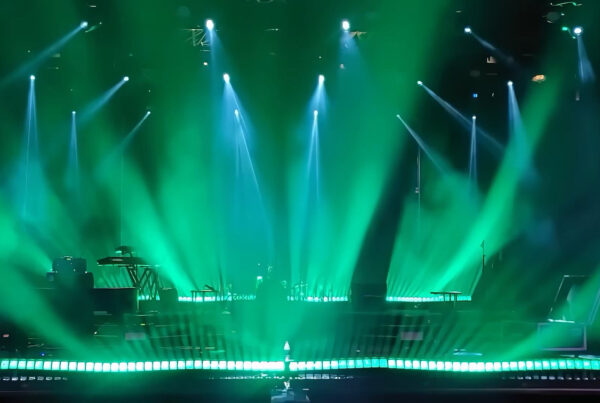
Automated lighting fixtures possess more computational power than the computers that guided Apollo missions, yet they sometimes behave with the reliability of carnival equipment. The Martin MAC Ultra Performance and Robe MegaPointe represent technological marvels containing precision optics, sophisticated color mixing, and servo motors calibrated to hundredths of a degree. When these systems work correctly, they create magic. When they malfunction, they play favorites—illuminating some performers perfectly while leaving others in comparative darkness or painting them with wildly incorrect colors.
The phenomenon of fixture selectivity stems from multiple causes: failing pan/tilt encoders that report incorrect positions, color flags that stick at specific positions, lamp arc wander that shifts beam aim progressively, and firmware bugs that manifest only under specific operational conditions. These issues create shows where identical cues look different across fixtures that should behave identically—a consistency nightmare that haunts lighting directors and console programmers through every production.
The History of Automated Lighting Chaos
The original Vari-Lite VL1 systems that revolutionized concert lighting in the 1980s introduced both the promise and the problems of automated lighting. These early fixtures required proprietary consoles and used mechanical systems that wore at predictable rates, allowing crews to anticipate failures. The Genesis and Artisan consoles that controlled early Vari-Lites developed reputations for reliability that sometimes exceeded the fixtures themselves, establishing a standard that subsequent generations of equipment have struggled to match.
The transition to DMX-512 control protocol democratized automated lighting but introduced interoperability challenges. Different manufacturers interpreted the DMX standard slightly differently, creating situations where fixtures from multiple manufacturers responded unpredictably when addressed from the same console. The introduction of RDM (Remote Device Management) and later sACN protocols addressed some issues while introducing new complexity that created novel failure modes for fixtures to exploit.
Case Studies in Fixture Favoritism
One legendary Broadway production experienced chronic issues with a Clay Paky Mythos fixture that reliably illuminated the male lead while consistently missing the female lead by several feet during their duet scenes. Despite repeated recalibration, the fixture would drift back to its preferred position within performances. Eventually, the master electrician discovered a faulty pan encoder that interpreted motor position incorrectly within a specific angular range—the exact range required to track the female performer. Replacement fixed the immediate problem but couldn’t restore the weeks of compromised performances that preceded diagnosis.
Arena tours face fixture consistency challenges at scale. A 2019 stadium tour deployed 400 identical Robe BMFL Spot fixtures, yet post-production analysis revealed that approximately 15% produced visibly different color temperatures in neutral white settings. The variation traced to manufacturing batch differences in LED engines that met individual specifications but created visible inconsistency when fixtures were arrayed together. The tour’s lighting designer spent hours developing compensatory adjustments that masked variations—time that should have been spent on artistic refinement rather than equipment workarounds.
The Calibration Conundrum
Modern automated fixtures include calibration routines intended to maintain consistency across units. ETC Source Four LED Series 3 fixtures, for example, include sophisticated calibration tools that allow matching across large inventories. Yet calibration requires time that production schedules often don’t allow, and improperly performed calibration can actually worsen consistency by applying inappropriate corrections. The economic pressure to minimize setup time frequently results in calibration shortcuts that manifest as performance inconsistencies.
Color matching presents particularly stubborn challenges. The CIE chromaticity specifications that define color performance allow variations that appear identical on specification sheets but are visibly different when fixtures illuminate the same surface. Different fixture types—combining LED fixtures with traditional tungsten halogen sources, for example—create inherent color inconsistencies that require careful gel and filter selection to address. Lighting designers who grew up with consistent tungsten sources sometimes struggle with the variable color quality that LED technology introduces despite its many advantages.
The Human Factor in Fixture Management
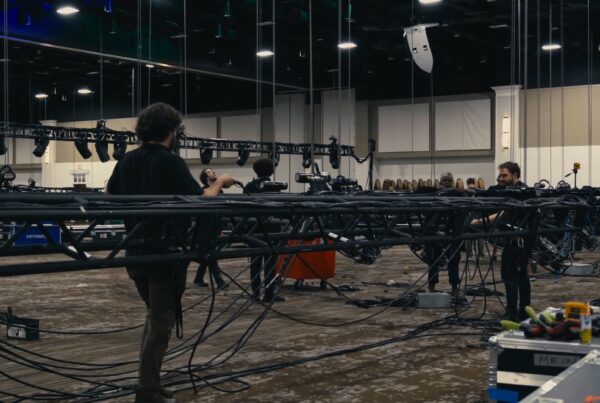
Lighting technicians carry enormous responsibility for fixture consistency that often goes unrecognized. The pre-show focus call involves checking every fixture for proper operation, but time constraints mean abbreviated testing that may miss intermittent faults. The moving light technician position emerged specifically to manage automated fixture issues during performances, yet budget pressures have eliminated this role from many productions, leaving problems to manifest without dedicated monitoring.
Training for fixture management varies dramatically across the industry. ETCP certification in entertainment electrician categories covers safety and basic operation but doesn’t address the diagnostic skills required to identify and resolve complex fixture issues. Manufacturers provide training on their specific products, but productions often use mixed fixture inventories that require cross-platform knowledge rarely taught systematically. The result is a skills gap that manifests as fixture problems blamed on equipment when operator capability actually determines outcomes.
Software Solutions and Persistent Problems
Lighting control software has evolved to help manage fixture inconsistencies. MA Lighting grandMA3 and ETC Eos consoles include fixture personality libraries that account for individual fixture behaviors, while software features allow global adjustments that affect all fixtures of a given type simultaneously. Pre-visualization software like Vectorworks Vision and Capture enables virtual testing that can identify some consistency issues before physical installation, though virtual environments cannot fully replicate real-world fixture behavior variations.
Despite these tools, fixture favoritism persists because automated lighting represents an inherent tradeoff between flexibility and reliability. The mechanical complexity that enables pan, tilt, color mixing, and effects also creates failure points that simpler fixtures lack. The industry continues seeking solutions through improved manufacturing consistency, better diagnostic systems, and redundancy strategies that route around failed fixtures rather than depending on universal reliability. Until perfect fixtures exist—a goal that physics and economics conspire against lighting designers will continue managing favorites that decide independently which performers deserve the best light.